
If you raise chickens, horses, sheep, cattle or even dogs, you already know that nutrition plays a major role in long-term health. High-quality feed doesn’t just support growth—it also influences immunity, digestion, reproduction, coat quality, energy levels and overall well-being.
As more livestock owners look for natural, sustainable feed ingredients, one question comes up repeatedly:
Can sea buckthorn pomace be fed to animals?
The answer is yes. Sea buckthorn pomace has been studied as a functional feed ingredient for several animal species and has shown encouraging results, particularly in poultry and sheep. While it is not yet a mainstream livestock feed, research suggests that this nutrient-rich by-product has considerable potential.
In this article, we’ll look at what sea buckthorn pomace is, why researchers are interested in it, and what current studies suggest for chickens, horses, dogs, cattle and sheep.
What Is Sea Buckthorn Pomace?
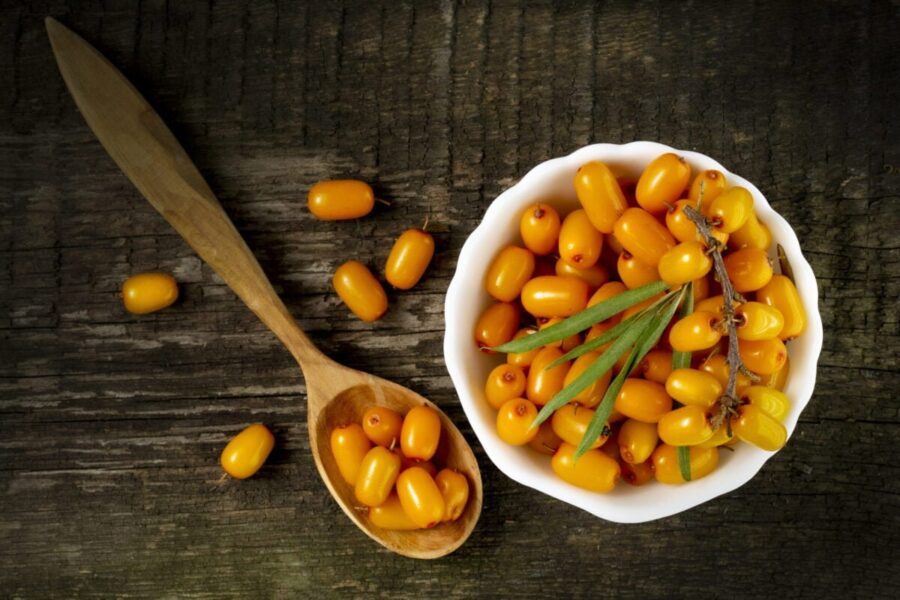
Sea buckthorn pomace is the nutritious material that remains after the berries have been pressed for juice.
It contains a mixture of:
- berry skins
- pulp
- seeds
- small amounts of residual juice
Although much of the juice has been removed, the pomace still contains valuable nutrients and plant compounds that would otherwise go to waste.
For many years, pomace from fruit processing was treated as a by-product. Today, researchers and farmers increasingly recognize that these materials can become valuable feed ingredients while reducing food waste and making better use of every harvested berry.
Why Is Sea Buckthorn Pomace Interesting for Animal Nutrition?
Sea buckthorn berries are well known for their nutritional value, and many of these same components remain in the pomace after juicing.
Depending on how the berries were processed, sea buckthorn pomace typically provides:
- dietary fibre
- healthy plant oils
- essential fatty acids
- natural antioxidants
- carotenoids
- polyphenols
- vitamin E
- trace minerals
Rather than acting as a complete feed, sea buckthorn pomace is best viewed as a nutrient-rich supplemental ingredient that can complement an already balanced diet.
Its appeal lies in supplying naturally occurring compounds that may help support overall health while also making use of a valuable agricultural by-product.
What Does the Research Say?
Sea buckthorn has been studied in animal nutrition for many years.
Researchers have evaluated not only pomace, but also whole berries, seed meal and seed oil in various livestock diets.
Although research is still expanding, the overall trend has been encouraging. Most studies report that sea buckthorn ingredients are well accepted by animals and can be incorporated into properly balanced diets without adverse effects.
The strongest evidence currently exists for poultry and sheep, while research involving horses, cattle and companion animals continues to grow.
It is important to distinguish between promising research and established feeding practices. Sea buckthorn pomace is not yet a standard commercial feed ingredient, but interest continues to increase as more producers look for sustainable, functional nutrition options.

Sea Buckthorn Pomace for Chickens
Among all the species studied, poultry has received some of the greatest attention.
Researchers have investigated sea buckthorn ingredients in both laying hens and broiler chickens, with many studies reporting positive outcomes.
Areas of interest include:
- supporting normal immune function
- improving antioxidant status
- enhancing egg yolk pigmentation through natural carotenoids
- maintaining meat quality
- supporting overall performance within balanced feeding programs
Not every study reports identical results, which is common in nutrition research, but the overall findings have been encouraging enough that sea buckthorn continues to attract interest as a natural feed ingredient for poultry.
For backyard chicken keepers, sea buckthorn pomace represents an interesting way to diversify the diet while providing additional fibre and naturally occurring plant compounds.

Sea Buckthorn Pomace for Sheep
Sheep are another species where research has produced encouraging results.
Several studies have explored the use of sea buckthorn by-products as part of balanced sheep diets.
Researchers have investigated areas such as:
- overall health
- nutrient utilization
- antioxidant status
- meat quality
- general animal performance
The results suggest that sea buckthorn pomace can fit well within properly formulated feeding programs, making it one of the more promising livestock applications studied so far.
As with any feed ingredient, it should complement—not replace—a balanced forage-based diet.

What About Horses?
Horse owners have long been drawn to sea buckthorn, and interestingly, this connection goes back centuries. The plant’s scientific name, Hippophae rhamnoides, comes from Greek and roughly translates to “shiny horse.” According to legend, ancient horse keepers noticed that animals grazing on sea buckthorn shrubs developed glossy coats and appeared to regain strength more quickly—an observation that helped inspire the name.
Today, that historical association continues to influence modern equine nutrition. A growing body of scientific research has explored the use of sea buckthorn in equine diets, with studies examining its potential role in supporting digestive health, coat condition and overall vitality. For example, research published in peer-reviewed journals has investigated how sea buckthorn supplementation may influence gastric health and antioxidant status in horses, providing a useful reference point for those interested in evidence-based feeding practices.
Research into sea buckthorn has led to the development of several commercial supplements currently available on the market, which horse owners often use to help maintain a healthy digestive system, support skin and coat quality, and contribute to general immune function.
These supplements are typically valued for their content of omega fatty acids—particularly omega-7—as well as vitamins E and C and naturally occurring antioxidants. Horse owners often use them to help maintain a healthy digestive system, support skin and coat quality, and contribute to general immune function.
While most equine research has focused on sea buckthorn berries, seed meal or seed oil rather than pomace itself, the findings have generated growing interest in the plant as a whole. Because sea buckthorn pomace still contains fibre, beneficial plant oils and naturally occurring antioxidants, it is increasingly seen as a promising supplemental ingredient.
Can Cattle Eat Sea Buckthorn Pomace?
Researchers have also explored sea buckthorn by-products in cattle nutrition, particularly as interest grows in sustainable livestock feeding practices.
Current research suggests that sea buckthorn ingredients can be incorporated into balanced cattle diets and may contribute valuable fibre along with naturally occurring bioactive compounds.
Although commercial adoption remains relatively limited, ongoing research continues to expand our understanding of how fruit by-products such as sea buckthorn pomace may benefit modern livestock production.

Can Dogs Eat Sea Buckthorn Pomace?
Additionally, sea buckthorn has become increasingly popular in the pet nutrition industry, particularly in products formulated to support skin and coat health in dogs.
Most published research has examined sea buckthorn oil and berry extracts rather than pomace, but interest in whole-food forms is growing among dog owners looking for natural dietary support.
Even so, the pomace naturally contains dietary fibre and many of the same plant compounds that make the berries so valuable, including antioxidants and beneficial fatty acids that may contribute to skin health.
Some dog owners have reported noticeable improvements when adding sea buckthorn pomace to their dog’s diet. For example, one Bernese Mountain dog with persistent skin issues, including large scaly patches across the back, experienced a complete resolution of symptoms after about a month of daily supplementation with dried sea buckthorn pomace.
While individual results can vary, this kind of real-world experience highlights why sea buckthorn pomace is gaining attention as a potential whole-food addition for dogs. As with any dietary change, it should be introduced gradually, and pet owners should consult their veterinarian if their dog has existing medical conditions or specialized dietary requirements.
Research vs. Everyday Feeding
Sea buckthorn pomace has shown promising results across several animal species, but it is still considered an emerging feed ingredient rather than a conventional one.
That simply means researchers continue to learn how different inclusion rates, feeding programs and production systems influence results.
For animal caretakers who enjoy exploring natural nutrition, this presents an exciting opportunity.
Many of today’s widely accepted functional feeds—including flaxseed, beet pulp and brewer’s grains—began in much the same way: as underutilized agricultural products that gradually earned recognition through practical experience and scientific research.
Feeding Tips
If you decide to introduce sea buckthorn pomace into your animals’ diet, a few common-sense practices apply:
- Introduce it gradually.
- Feed it as part of a balanced diet rather than as a replacement for quality forage or complete feeds.
- Always provide access to fresh, clean water.
- Store dried pomace in a cool, dry place to maintain quality.
- Monitor your animals whenever introducing any new feed ingredient.
Every species—and every individual animal—can respond slightly differently to dietary changes.
The Bottom Line
Sea buckthorn pomace is far more than a leftover from juice production.
It is a naturally nutrient-rich ingredient that contains dietary fibre, healthy plant oils and beneficial phytochemicals that continue to attract the attention of researchers around the world.
Current evidence is strongest for chickens and sheep, where studies have reported encouraging results when sea buckthorn ingredients are incorporated into balanced diets. Research involving horses, cattle and dogs is also growing and points to interesting future possibilities.
While sea buckthorn pomace is not yet considered a standard livestock feed, its combination of nutrition, sustainability and versatility makes it an exciting option for farmers, homesteaders, hobby animal owners and anyone looking to maximize the nutritional quality of their animals’ diets using natural ingredients.