
More and more pet owners are looking for simple, whole-food ingredients they can confidently add to their animals’ diets.
For those interested in using sea buckthorn as part of an animal’s diet, the practical question is:
“How can I feed sea buckthorn to my animals?”
That’s where simple sea buckthorn pomace recipes can make things easy.
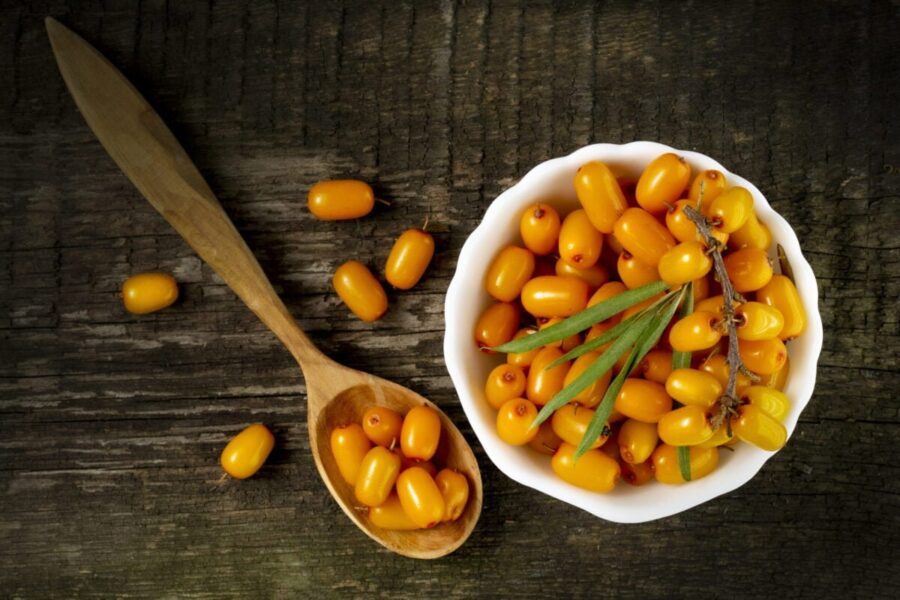
Sea buckthorn pomace is the nutrient-dense pulp and seeds left behind after juicing the berries. Instead of being discarded, it can be repurposed as a natural addition to everyday feeding routines for many animals.
Freezing sea buckthorn pomace immediately after juicing locks in freshness and colour without the need for preservatives.
Below are some of our favourite ways to incorporate it into animal diets.

Why We Sell Our Pomace Frozen
Unlike dried pomace, frozen pomace requires minimal processing after juicing.
Freezing helps:
- Preserve freshness and flavour
- Minimize oxidation
- Retain more heat-sensitive nutrients
- Eliminate the need for preservatives
- Allow you to use only what you need while keeping the remainder frozen
Many customers simply thaw a portion and mix it directly into their animal’s regular feed.
Using Frozen Sea Buckthorn Pomace
Thaw the pomace overnight in the refrigerator or for several hours in a cool location.
Once thawed, it can easily be mixed into:
- Dry kibble
- Raw diets
- Horse mash
- Soaked beet pulp
- Yogurt
- Pumpkin puree
- Oats
- Homemade treats
Store thawed pomace in the refrigerator and use it within 5–7 days. If it develops an unpleasant smell or any signs of mould, discard it.
How to Dehydrate Sea Buckthorn Pomace
Although frozen pomace offers the highest level of freshness, dehydrating it is an excellent option for long-term storage or recipes that require a dry ingredient.
Ingredients
- Thawed sea buckthorn pomace
Directions
- Spread the thawed pomace into a thin layer (approximately ¼ inch / 6 mm thick) on dehydrator trays lined with non-stick sheets or parchment.
- Dry at 115–125°F (46–52°C) until completely dry and brittle.
- Break the dried pomace into flakes or grind it into a coarse powder using a food processor or coffee grinder.
- Store in an airtight container away from heat, light, and moisture.
Low-temperature drying helps preserve more of the naturally occurring vitamins and phytonutrients than high-temperature drying.
8 Homemade Sea Buckthorn Pomace Recipes for Horses, Dogs & Chickens

1. Raw Horse Mash Booster
An easy way to add variety to your horse’s regular feed.
Ingredients
- 2 cups soaked beet pulp (unmolassed)
- ½ cup thawed sea buckthorn pomace
- 2 tablespoons ground flaxseed
- Horse mineral supplement (optional)
Directions
- Prepare the soaked beet pulp according to the manufacturer’s instructions.
- Mix in the sea buckthorn pomace and flaxseed.
- Add your horse’s mineral supplement if desired.
- Serve immediately.
2. Frozen Summer Horse Treats
Perfect for hot summer afternoons.
Ingredients
- 1 cup thawed sea buckthorn pomace
- 1 cup unsweetened applesauce
- ½ cup grated carrots
- Water as needed
Directions
- Mix all ingredients together.
- Spoon into silicone muffin moulds or ice cube trays.
- Freeze until firm.
- Serve one frozen treat occasionally as a refreshing snack.
3. No-Bake Sea Buckthorn Horse Cookies
Soft treats that require no baking.
No-Bake Sea Buckthorn Horse Cookies
Ingredients
- 1½ cups rolled oats
- ½ cup oats ground into flour
- ½ cup thawed sea buckthorn pomace
- 2 tbsp ground flaxseed
- 1 tbsp blackstrap molasses, optional
- 2–4 tbsp water, only if needed
Directions
- Mix the pomace and ground flaxseed first and let it sit for 5–10 minutes. This gives the flax time to form its natural gel.
- Stir in the rolled oats and oat flour.
- Add molasses if using.
- Let the mixture rest another 5 minutes so the oats absorb moisture.
- Press firmly into thick cookie-shaped patties.
- Refrigerate for at least 1 hour until firm.
Store refrigerated for up to five days or freeze for longer storage.
These will be firm refrigerated treats, not dry crunchy cookies. Because they contain thawed pomace and water, they should stay refrigerated or frozen. If you want a shelf-stable, hard horse cookie, the sea buckthorn pomace really needs to be dehydrated and the final cookie should be baked.
4. Apple & Carrot Horse Mash
A hearty mash that’s ideal as an occasional reward.
Ingredients
- 2 cups soaked beet pulp
- 1 cup thawed sea buckthorn pomace
- 1 grated carrot
- ½ grated apple
- 2 tablespoons ground flaxseed
Directions
- Prepare the beet pulp.
- Stir in the sea buckthorn pomace.
- Add the carrot, apple, and flaxseed.
- Mix thoroughly and serve fresh.
5. Frozen Sea Buckthorn & Apple Horse Licks
A fun enrichment treat during warm weather.
Ingredients
- 1 cup thawed sea buckthorn pomace
- 1 cup unsweetened applesauce
- ½ cup grated carrots
- ¼ cup chopped fresh mint (optional)
Directions
- Stir all ingredients together.
- Spoon into silicone moulds or small containers.
- Freeze until completely solid.
- Offer one frozen treat occasionally.
Variation: Place a large carrot in the centre before freezing to create a “horse popsicle.”

6. Raw Dog Superfood Topper
An easy topper for dogs already eating yogurt or fresh foods.
Ingredients
- 2 tablespoons thawed sea buckthorn pomace
- ¼ cup plain unsweetened yogurt
- 2 tablespoons plain pumpkin puree
- 1 teaspoon ground flaxseed
Directions
- Mix all ingredients until smooth.
- Spoon over your dog’s regular food.
- Introduce gradually if your dog has never eaten sea buckt
7. Frozen Dog Superfood Bites
Refreshing frozen treats for warm weather.
Ingredients
- 1 cup plain unsweetened yogurt
- ½ cup thawed sea buckthorn pomace
- ½ cup blueberries
Directions
- Blend all ingredients together.
- Pour into silicone moulds or ice cube trays.
- Freeze until firm.
- Feed as an occasional treat.

8. Backyard Chicken Superfood Mix
A simple flock treat.
Ingredients
- 2 cups scratch grains
- ¼ cup thawed sea buckthorn pomace
- ¼ cup dried mealworms
Directions
- Mix all ingredients together.
- Scatter lightly for your flock as an occasional supplement.
- Feed alongside a complete poultry ration.
General Feeding Tips
Sea buckthorn pomace is best used as a supplemental ingredient or treat, not a complete feed. Introduce it gradually and feed moderate amounts alongside a balanced diet appropriate for the animal.
Dogs should continue to receive a complete diet, chickens a balanced poultry ration, and horses should rely primarily on appropriate forage and a feeding program suited to their individual needs. For more information on equine feeding, see the Merck Veterinary Manual’s guide to feeding practices in horses and other equids.
Safety Considerations
These recipes use plain sea buckthorn pomace only.
Never add ingredients that may be unsafe for animals, including:
- Chocolate
- Xylitol
- Onions
- Garlic (for dogs)
- Grapes
- Raisins
- Excess salt
- Artificial sweeteners
If your animal has a medical condition or is on a special diet, consult your veterinarian before introducing any new foods.
Frequently Asked Questions
Can I feed sea buckthorn pomace every day?
In moderation, many owners include small amounts regularly as part of a varied diet. Introduce it slowly and monitor your animal’s response.
Can I freeze homemade treats?
Absolutely. Most of these recipes freeze very well and can be stored for several months.
Can I dehydrate sea buckthorn pomace?
Yes. Drying it at low temperatures creates a shelf-stable ingredient that can be added to homemade recipes year-round.
Can I grind dried pomace into powder?
Yes. Once fully dried, it can easily be ground into a coarse or fine powder and mixed into feed.
How long will frozen pomace last?
When stored continuously frozen, sea buckthorn pomace maintains excellent quality for many months. Once thawed, keep it refrigerated and use within 3–5 days.
Can livestock eat sea buckthorn pomace?
Many livestock owners use sea buckthorn pomace as a supplemental ingredient for horses, poultry, goats, sheep, and other farm animals. Introduce it gradually and feed as part of a balanced ration.