
Fish and seafood have been paired with acidic ingredients for centuries. A squeeze of lemon over grilled fish, vinegar with fish and chips, and white wine in seafood sauces all serve the same purpose: balancing richness, enhancing delicate flavours, and refreshing the palate.
Sea buckthorn deserves a place alongside these classic ingredients.
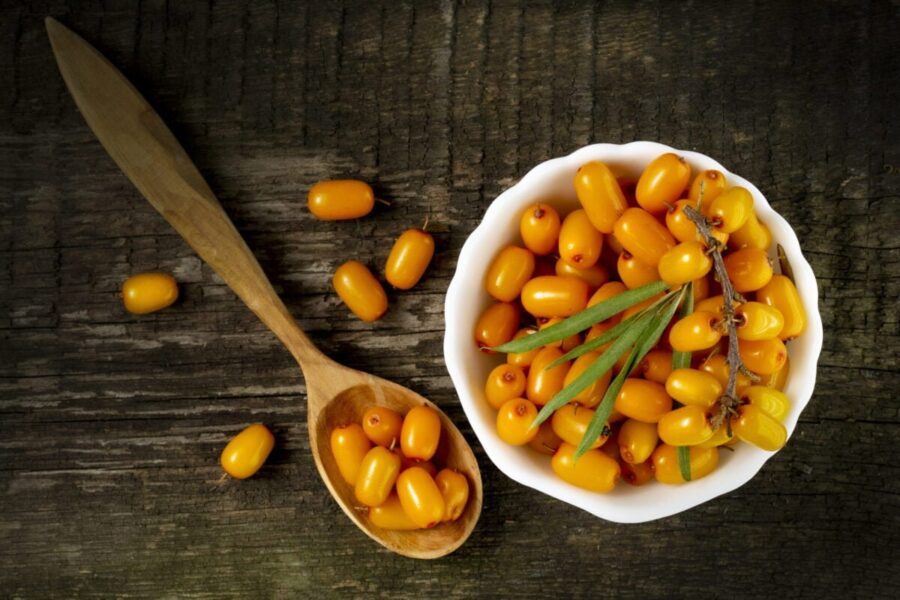
Although it’s often associated with smoothies, juices, jams, and desserts, sea buckthorn is also a versatile culinary ingredient that works exceptionally well in savoury dishes. Its juice, purée, berries, and powder can be incorporated into marinades, vinaigrettes, compound butters, glazes, and finishing sauces that complement everything from salmon and halibut to octopus, shrimp, lobster, and crab.
Whether you’re looking for a unique seafood marinade or simply want to explore new flavour combinations, sea buckthorn offers an exciting alternative to traditional citrus.
Why Seafood Benefits from Acidity
Seafood has a naturally delicate flavour that can easily become heavy or one-dimensional without contrast. Acidity provides that balance.
In seafood cookery, acidic ingredients help to:
- balance the richness of oily fish
- enhance the natural sweetness of shellfish
- brighten herbs and aromatics
- refresh the palate between bites
- complement smoky, grilled flavours
- create lighter, more vibrant sauces
This is why lemon wedges appear beside grilled fish, vinegar brightens seafood salads, and citrus is often paired with lobster and crab.
Sea buckthorn performs many of these same functions while bringing its own distinctive character to the dish.
Sea Buckthorn’s Role in Seafood Cooking
Rather than thinking of sea buckthorn as a fruit, think of it as another culinary acid—one that can be used in many of the same ways as lemon juice, lime juice, or white wine.
Sea buckthorn works beautifully as:
- the acidic base of a marinade
- a seafood marinade for grilling
- the bright element in vinaigrettes
- an ingredient in beurre blanc or pan sauces
- a finishing drizzle over grilled fish
- a glaze for salmon or trout
- a flavour enhancer in herb butter
- a finishing touch for seafood salads
Because of its natural acidity, a little goes a long way. Even a tablespoon can noticeably brighten an entire dish.

Lemon and Sea Buckthorn: Partners, Not Competitors
One of the biggest misconceptions is that sea buckthorn should replace lemon in seafood recipes.
In reality, the two ingredients often work best together.
Lemon contributes a clean, familiar citrus flavour that has become a staple in seafood cooking. Sea buckthorn adds another layer of complexity, combining lively acidity with aromatic notes that many people describe as reminiscent of grapefruit, apricot, passion fruit, or mango.
Used together, they create a more balanced and sophisticated flavour than either ingredient alone.
This is exactly why the seafood marinade featured later in this article combines fresh lemon juice with sea buckthorn juice. The lemon provides the classic citrus backbone, while the sea buckthorn adds depth and complexity without overwhelming the seafood.
Think of sea buckthorn as expanding your citrus palette rather than replacing it.
Why Grilling and Sea Buckthorn Are Such a Good Match
Grilling transforms seafood.
As fish and shellfish cook over high heat, their surface browns through the Maillard reaction, creating savoury aromas and lightly caramelized flavours. Smoke from the grill adds another layer of richness.
Acidity provides the perfect contrast.
A sea buckthorn marinade or finishing sauce cuts through those richer flavours, leaving the palate refreshed and ready for the next bite.
This balance is especially noticeable with grilled salmon, shrimp, scallops, and octopus, where smoky notes meet bright acidity.
Sea Buckthorn and Octopus
Octopus has become increasingly popular in Mediterranean cuisine thanks to its tender texture and mild, slightly sweet flavour.
Because octopus is relatively lean, it benefits from ingredients that add both richness and brightness.
Olive oil provides body, while acidic ingredients help lift the flavour and balance the char that develops during grilling.
Sea buckthorn is particularly well suited to this role.
It complements many ingredients traditionally paired with octopus, including:
- extra virgin olive oil
- garlic
- roasted red peppers
- capers
- parsley
- basil
- oregano
- thyme
- smoked paprika
- chili flakes
Marinate for 30 to 60 minutes before grilling. This gives the flavours time to coat the surface without overpowering the seafood’s delicate taste.

Grilled Octopus Skewers with Sea Buckthorn Marinade
Ingredients
Sea buckthorn marinade
- 2 tbsp fresh lemon juice
- 1 tbsp sea buckthorn juice
- 1 tbsp extra virgin olive oil
- 2 tbsp minced garlic (with oil in jar)
- ¼ cup marinated roasted red peppers
- 1½ tsp capers
- 1 tsp fermented peppercorns
- 1 tsp dried basil
- salt to taste
Seafood
- cooked octopus, cut into bite-sized pieces
- metal or soaked wooden skewers
Instructions
Using a mortar and pestle, mash the roasted red peppers, garlic, capers, fermented peppercorns, basil, and salt into a coarse paste.
Stir in the olive oil, lemon juice, and sea buckthorn juice until the marinade is well combined.
Coat the octopus pieces evenly and refrigerate for 30 to 60 minutes.
Thread onto skewers and grill over high heat for approximately 2 to 3 minutes per side (if pre-cooked), just until lightly charred and heated through.
Serve immediately with chopped parsley and grilled lemon wedges.
Why This Sea Buckthorn Marinade Works
Every successful marinade balances four essential elements:
| Component | Purpose |
|---|---|
| Acid | Brightens flavour and balances richness |
| Oil | Carries flavour and coats the seafood |
| Salt | Seasons the surface |
| Aromatics | Add complexity and depth |
This sea buckthorn marinade brings those elements together naturally.
The lemon and sea buckthorn juices provide balanced acidity, olive oil softens the tartness, garlic and fermented peppercorns contribute savoury depth, roasted red peppers add gentle sweetness, while capers introduce salty, briny notes that complement the octopus beautifully.
The result is a seafood marinade that enhances the seafood rather than masking it.

Sea Buckthorn and Crustaceans
Shrimp, prawns, lobster, crab, and langoustines all have naturally sweet meat.
That sweetness is one reason citrus has traditionally accompanied shellfish.
Sea buckthorn provides the same refreshing balance while adding greater complexity to the finished dish.
Shrimp and Prawns
Shrimp readily absorb flavour, making them perfect candidates for a sea buckthorn marinade.
Excellent flavour companions include garlic, parsley, cilantro, basil, ginger, chili, and olive oil.
Use sea buckthorn in:
- grilled shrimp skewers
- seafood tacos
- shrimp pasta
- rice bowls
- cold shrimp salads
Marinate shrimp for only 15 to 30 minutes, as prolonged exposure to acidic ingredients can begin to affect their texture.
Lobster
The buttery richness of lobster pairs beautifully with acidity.
Whisk a small amount of sea buckthorn juice into melted butter with fresh herbs for an elegant dipping sauce, or blend it into a light mayonnaise dressing for lobster rolls.
Crab
Sea buckthorn brightens the delicate sweetness of crab without overpowering it.
Try adding a small amount to:
- crab cakes
- crab salads
- stuffed crab
- ravioli fillings
- herb butter
Because crab has such a delicate flavour, use sea buckthorn sparingly.
Scallops
Although scallops are molluscs rather than crustaceans, they deserve special mention.
Their naturally sweet flavour pairs exceptionally well with beurre blanc or brown butter lightly finished with sea buckthorn juice.
Mediterranean Flavours That Pair Beautifully
Sea buckthorn naturally complements many Mediterranean ingredients commonly found in seafood dishes.
Fresh herbs:
- basil
- parsley
- dill
- oregano
- thyme
- tarragon
Aromatics:
- garlic
- shallots
- fennel
- roasted red peppers
- capers
- olives
Healthy fats:
- extra virgin olive oil
- butter
- avocado oil
Each ingredient contributes something different: olive oil rounds acidity, garlic adds savoury depth, capers reinforce the ocean flavours, and herbs provide freshness that ties the dish together.
More Ways to Use Sea Buckthorn with Seafood
Looking beyond this grilled octopus recipe, sea buckthorn can be incorporated into countless seafood dishes.
Try it:
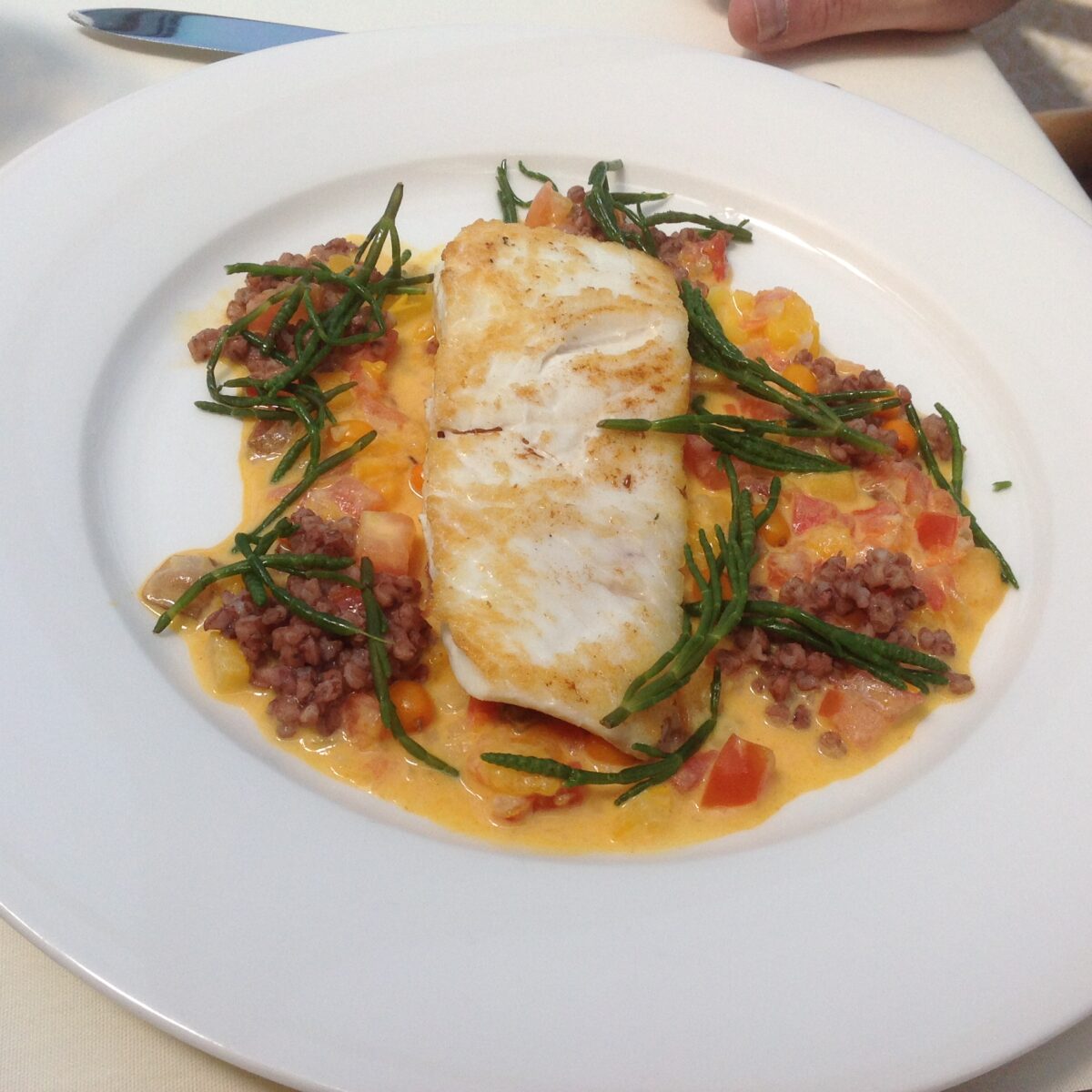
- whisked into beurre blanc for halibut or salmon
- blended into herb butter for lobster or crab
- stirred into a citrus vinaigrette for smoked trout salad
- added to ceviche alongside lime juice
- brushed onto grilled salmon during the final minutes of cooking
- mixed into aioli for fish sandwiches or crab cakes
- drizzled over grilled scallops just before serving
- added to seafood chowder immediately before serving for a burst of freshness
Sea buckthorn brings something genuinely different to seafood cooking.
Rather than replacing traditional citrus, it broadens the range of flavours available to home cooks and chefs alike. Whether incorporated into a seafood marinade, whisked into a butter sauce, or simply added as a finishing touch, it enhances fish and shellfish while allowing their natural flavours to shine.
If you’re looking to elevate your next seafood meal, start with a simple sea buckthorn marinade and discover how this remarkable berry can transform everything from grilled octopus to salmon, shrimp, lobster, and crab.
Whenever possible, choose sustainably harvested seafood. The Seafood Watch program provides recommendations to help consumers make environmentally responsible seafood choices.
Frequently Asked Questions – Sea Buckthorn with Seafood
Can I replace lemon juice with sea buckthorn juice?
Yes, but you don’t have to. In many seafood recipes, using both ingredients together creates a more balanced and complex flavour than either one alone.
Can I marinate seafood in sea buckthorn juice?
Absolutely. Sea buckthorn juice is excellent in marinades, especially when combined with olive oil, herbs, garlic, and other aromatics. Because of its acidity, avoid marinating delicate seafood for too long.
Which seafood pairs best with sea buckthorn?
Salmon, Arctic char, trout, cod, halibut, octopus, shrimp, scallops, lobster, crab, mussels, and oysters all pair beautifully with sea buckthorn.
Can I use frozen sea buckthorn berries instead of juice?
Yes. Thaw the berries, blend them into a purée, and strain if desired to create a fresh juice for marinades and sauces.