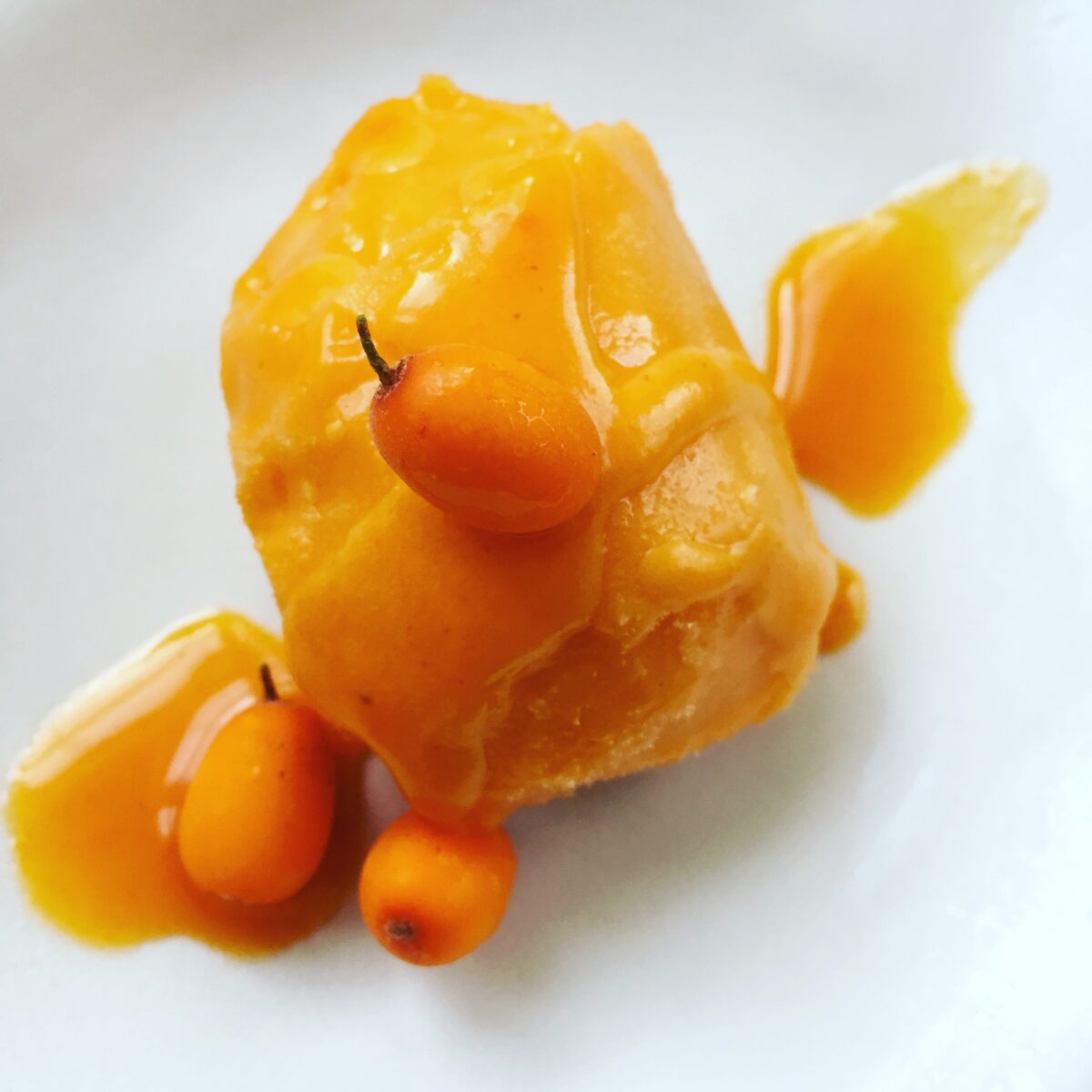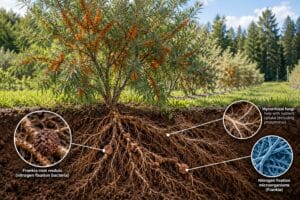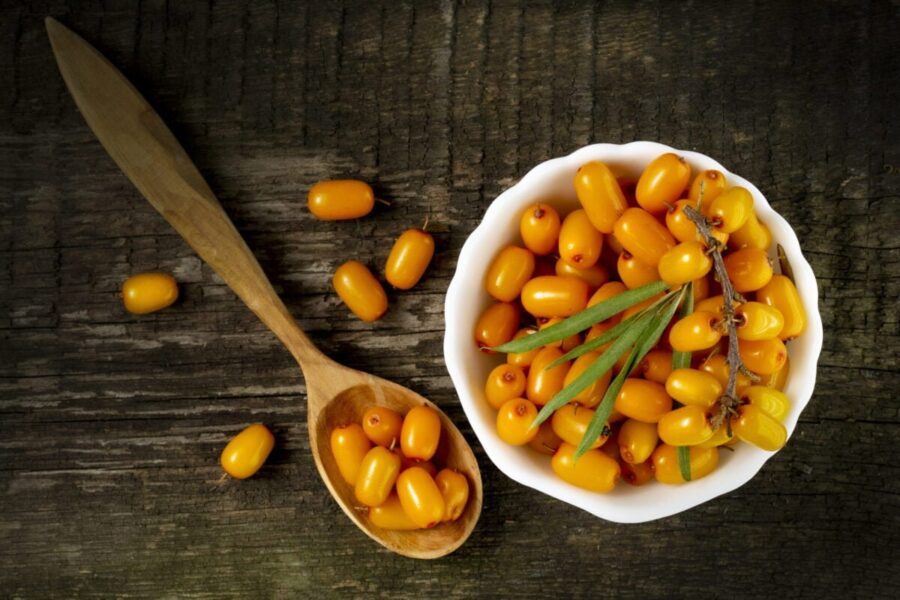

Sea buckthorn (Hippophae rhamnoides L.) is more than just a hardy shrub with bright orange berries — it’s a plant that traditional medicine has long trusted to strengthen the immune and digestive systems. Today, researchers are uncovering how compounds in its berries, seeds, and leaves may ease inflammation, protect the gut, and even create conditions that help our own digestive enzymes work more efficiently.
Why Digestive Enzymes Matter
Our bodies rely on digestive enzymes to break down proteins, fats, and carbohydrates into absorbable nutrients. When this process isn’t running smoothly, it can lead to bloating, discomfort, or a chronic digestive problem. Supporting enzyme activity — not by replacing enzymes, but by improving gut health overall — is key to maintaining a resilient digestive system.
What Makes Sea Buckthorn Special?
Researchers have identified more than 190 bioactive compounds in sea buckthorn, including:
Flavonoids (isorhamnetin, quercetin, rutin): Antioxidants that reduce oxidative stress and inflammation, supporting gut conditions where digestive enzymes can work effectively.
Fatty acids (palmitoleic acid, alpha-linolenic acid): Strengthen the gut lining and support fat metabolism, a process reliant on lipase and other digestive enzymes.
Carotenoids (beta-carotene, zeaxanthin): Protect intestinal tissues and help maintain a balanced microbiome.
Polysaccharides: Improve barrier integrity and modulate the gut microbiota, which can influence how well nutrients are digested and absorbed.
Vitamins C and E: Potent antioxidants that protect gut tissues and enhance nutrient uptake — indirectly supporting the work of digestive enzymes.
This unique combination explains why sea buckthorn has been valued for centuries in Tibetan, Chinese, and Mongolian medicine for easing digestive problems.
Digestive Diseases and Enzyme Support
Conditions such as gastritis, colitis, and liver disorders are often linked to inflammation, microbial imbalance, or impaired enzyme activity. A 2025 review in Frontiers in Pharmacology pulled together dozens of studies showing that sea buckthorn may help:
Ulcerative Colitis: Sea buckthorn polysaccharides reduced inflammation, tightened gut barrier integrity, and shifted gut bacteria toward species that produce beneficial short-chain fatty acids — creating a healthier environment for digestive enzymes to operate.
Chronic Gastritis: Oils and flavonoids protected the stomach lining and reduced acid secretion, easing strain on the digestive system.
Liver Health: Extracts improved liver enzyme function markers and reduced fibrosis in clinical trials.
Digestive Cancers (preclinical): Compounds such as isorhamnetin slowed tumour growth and enhanced sensitivity to chemotherapy in animal and cell models, partly by influencing metabolic pathways tied to enzyme activity.
Radiation & Chemotherapy Side Effects: Extracts showed protective effects against oxidative stress and DNA damage in preclinical studies, suggesting potential to ease treatment-related digestive complications.
Together, these effects suggest that sea buckthorn doesn’t replace digestive enzymes, but instead helps the body’s own systems — including enzyme activity, gut lining, and microbial balance — work more smoothly.
What’s Next for Sea Buckthorn
Researchers are only beginning to explore how sea buckthorn’s compounds interact with the gut microbiome and digestive enzymes. At the same time, chefs, nutritionists, and product developers are experimenting with new ways to bring this berry into everyday foods — from functional drinks to wellness snacks. The future of sea buckthorn is not just in the lab but also on our plates.

Papaya & Sea Buckthorn Smoothie Recipe for Digestive Enzyme Support
Sea buckthorn fits easily into everyday meals and snacks. You can enjoy it as juice, oil, dried berries, powders, or as the whole fruit — fresh or frozen. A splash of juice in your morning smoothie, a drizzle of oil over salads, or a handful of dried berries baked into granola are all simple ways to give your digestive system a little extra care.
Papaya pairs beautifully with sea buckthorn, combining enzyme power and antioxidants for better digestive support. Rich in the enzyme papain, papaya helps break down proteins and can ease common digestive problems like bloating or sluggish digestion. When blended together, the two create a bright, nutrient-packed smoothie:
Combine:
1 cup ripe papaya cubes,
½ cup sea buckthorn juice,
1 banana,
¾ cup unsweetened oat milk,
1 tsp of honey (optional)
Blend until silky. The result is a vibrant orange drink that not only tastes refreshing but also supports your gut with a natural boost of digestive enzymes and antioxidant
Takeaway
Sea buckthorn has earned its spot as an important ancient medicinal plant and is now embraced as a modern natural remedy. With its unique blend of vitamins, flavonoids, fatty acids, and polysaccharides, it supports the body’s digestive enzymes indirectly — by calming inflammation, strengthening the gut barrier, and rebalancing the microbiome. For those dealing with a digestive problem, adding sea buckthorn to the diet may be a natural way to support a healthier digestive system.