What Is a Food Forest
A food forest is a way of growing food that follows the structure and behaviour of a natural ecosystem.
In colder regions, this approach becomes especially valuable. Shorter growing seasons, freeze-thaw cycles, and variable weather can make traditional gardening more demanding. A well-designed system helps buffer those conditions by creating a more stable growing environment.
Instead of organizing plants in rows, you design a layered system where different plants occupy different spaces—both above and below ground. Trees form the upper canopy, smaller trees and shrubs fill the middle, and berries, vines, and ground-level plants complete the system.
Each layer plays a role. Some produce food, others help protect soil, reduce moisture loss, attract pollinators, or create shelter from wind and temperature swings.
This approach is rooted in Permaculture design, which focuses on observing how natural systems function and applying those patterns intentionally. In colder climates, that often means choosing plants that are not just hardy, but well adapted to local conditions—able to handle frost, snow load, and shifting seasonal transitions.
A food forest develops over time. The first few seasons are about establishment. As plants mature, they begin to fill space, protect each other, and create a more buffered environment. That’s when the system starts to feel more stable and productive.
Choosing the Right Food Forest Plants
Plant selection matters even more in cold climates.
Not every fruiting plant can handle temperature swings, late frosts, or extended winters. The ones that perform best tend to be naturally adapted to these conditions rather than pushed to survive them.
Strong candidates usually:
- Handle cold winters without protection
- Tolerate spring variability (freeze/thaw cycles, late frost)
- Establish well in shorter growing seasons
- Produce reliably once mature
Timing also becomes important. Choosing a mix of early, mid, and later-season plants helps spread out production and reduces the risk of losing everything to a single frost event.
Layering is just as important. Wind exposure, snow cover, and sun angles all influence how plants perform. When plants are combined thoughtfully, they create small microclimates—slightly warmer, more protected spaces that help improve overall performance.
Over time, these small advantages add up and make the system easier to manage.
8 Food Forest Plants That Fit Naturally Into Cold Climates
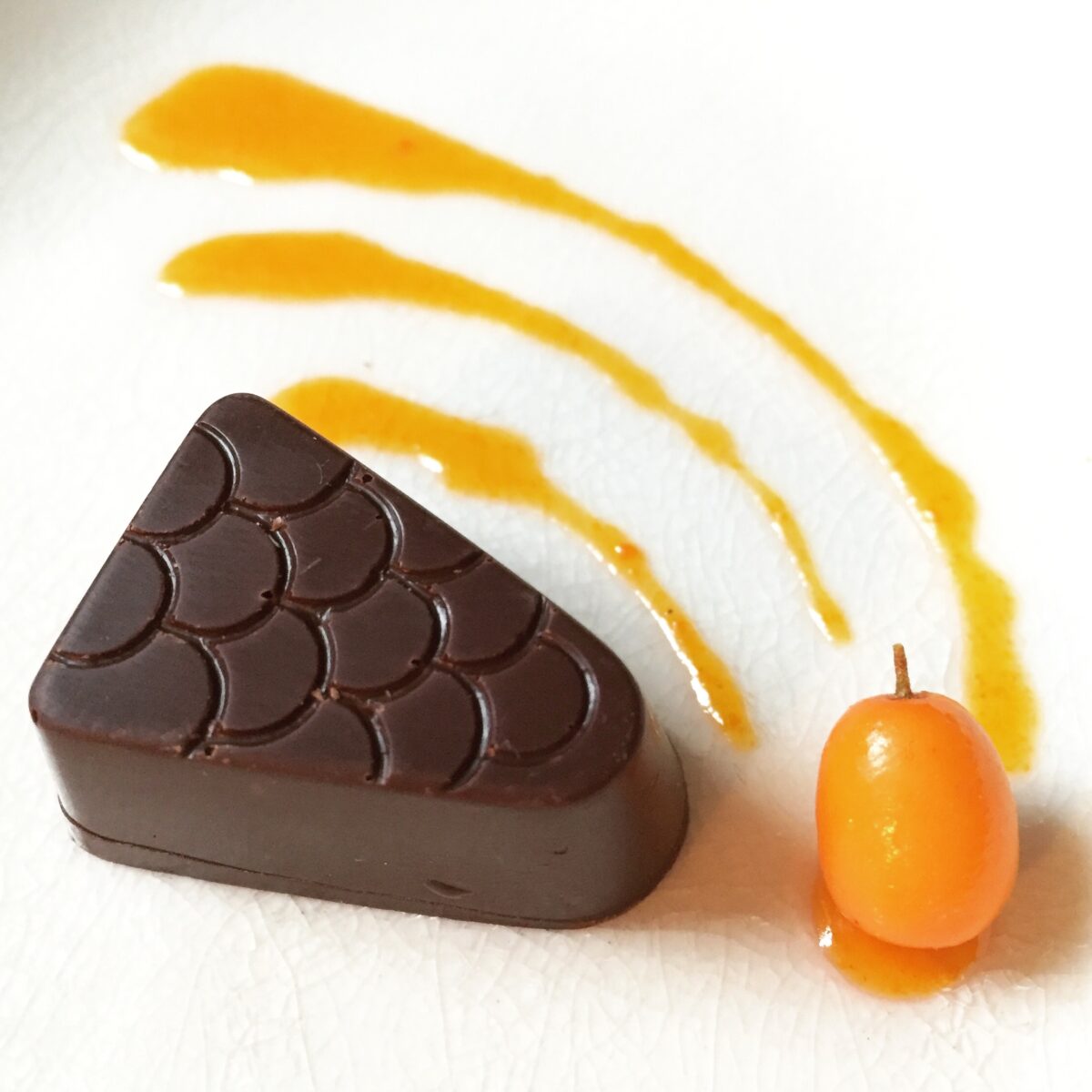
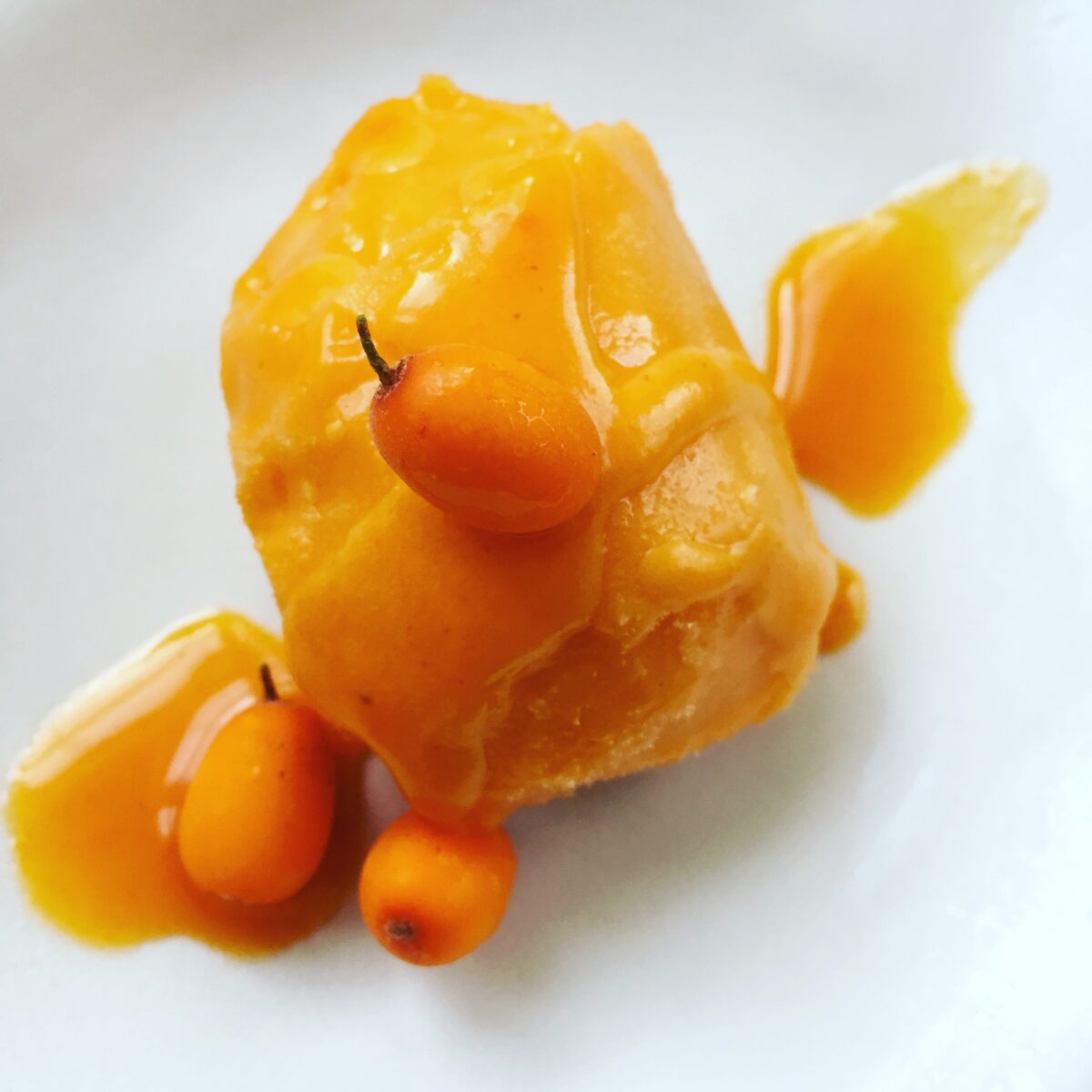
Sea Buckthorn
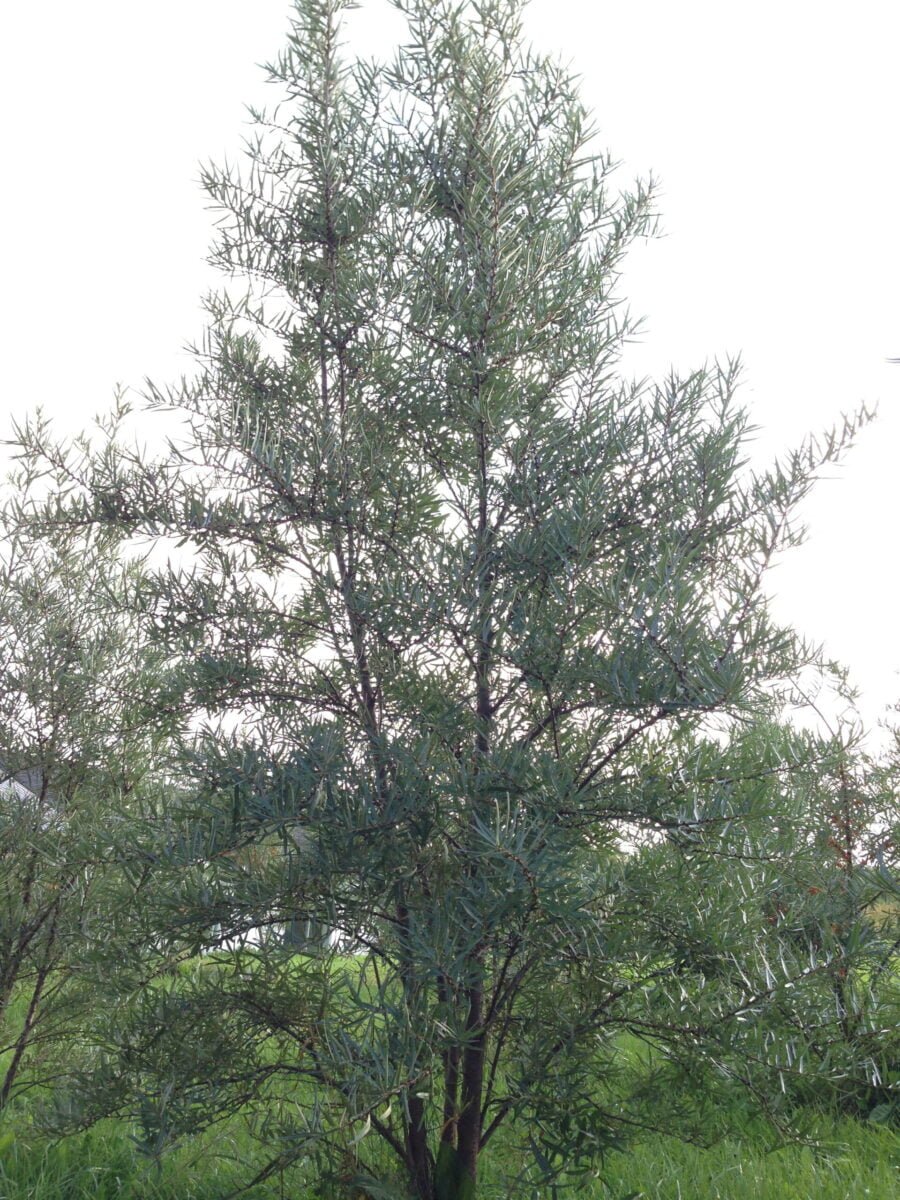
Sea Buckthorn is extremely well suited to cold and exposed environments.
It tolerates wind, poor soils, and low temperatures while contributing to soil fertility through nitrogen fixation. It’s often used as a windbreak, which makes it useful structurally as well as productively.
Bringing It All Together
In colder climates, plant relationships matter even more.
- Trees can reduce wind exposure
- Shrubs help retain snow cover and protect soil
- Vines make use of vertical space without increasing ground exposure
- Certain plants contribute to soil health and long-term fertility
These interactions create small pockets of stability that help the system perform more consistently.
A food forest in a cold climate evolves gradually.
The first seasons are about helping plants establish and observing how they respond to the environment. Over time, plants begin to create more shelter, improve soil conditions, and interact more directly with each other.
As that happens, the system becomes more stable. Temperature swings are buffered, soil retains moisture more effectively, and plant health becomes more consistent.
The result is a growing system that aligns with the conditions around it—one that continues to produce while requiring less intervention as it matures.
That shift is where a food forest starts to show its full value.