
Biohacking Definition and the Role of Diet in Enhancing Wellbeing
Biohacking, broadly defined, is the practice of making incremental changes to your lifestyle to optimize health, performance, and wellbeing. While the term often conjures up images of advanced technologies or wearable devices, one of the most accessible and powerful entry points into biohacking is through nutrition. A “biohacking diet” isn’t about following trends—it’s about tailoring your nutritional intake to support your body’s unique biology. By understanding the synergistic relationship between nutrients, and how food interacts with systems like your brain, gut, and hormones, you can begin to unlock sustainable vitality.
I’ll be honest—this approach is deeply personal for me. I’ve spent years experimenting with how certain foods affect my energy, my focus, and even my mood. And while I’m no lab coat-wearing scientist, I’ve come to appreciate that some of the best data comes from paying attention to how your own body responds.
What is Biohacking?
At its core, biohacking is the process of using science, biology, and self-experimentation to upgrade your mind and body. It can range from simple habit changes, like tracking sleep, to more complex interventions such as nootropics or intermittent fasting protocols. When applied to nutrition, biohacking involves strategic food choices and nutrient timing to enhance metabolic health, reduce inflammation, balance hormones, and support cognitive function (Kelly, 2020).
Biohacking Diet: Where Food Meets Function
The biohacking diet focuses on more than calories or macronutrients—it’s about the quality and function of what you eat. One essential principle is food synergy—the idea that certain nutrients work better when consumed together. This concept is grounded in nutritional science and supported by a growing body of evidence (Jacobs et al., 2009).
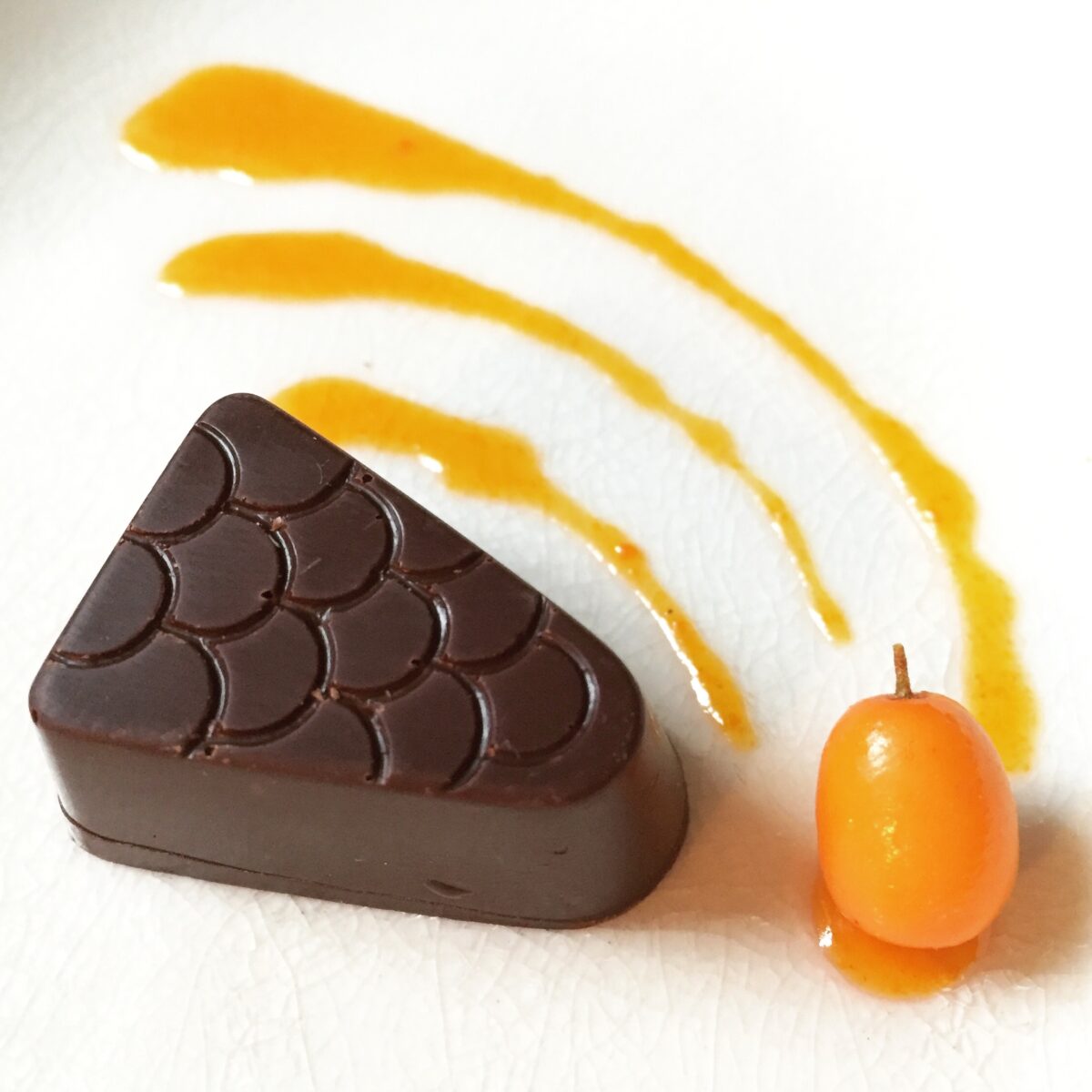
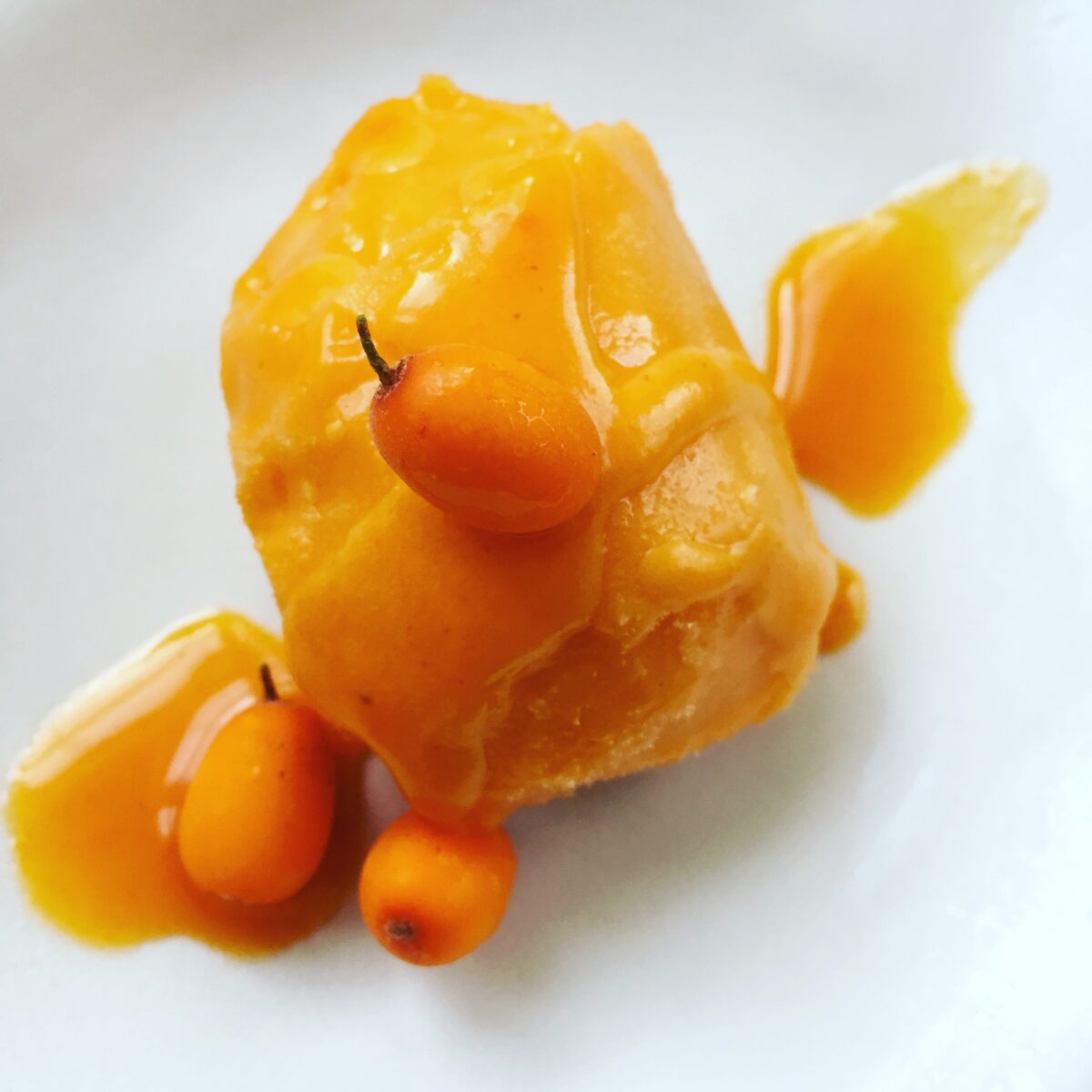
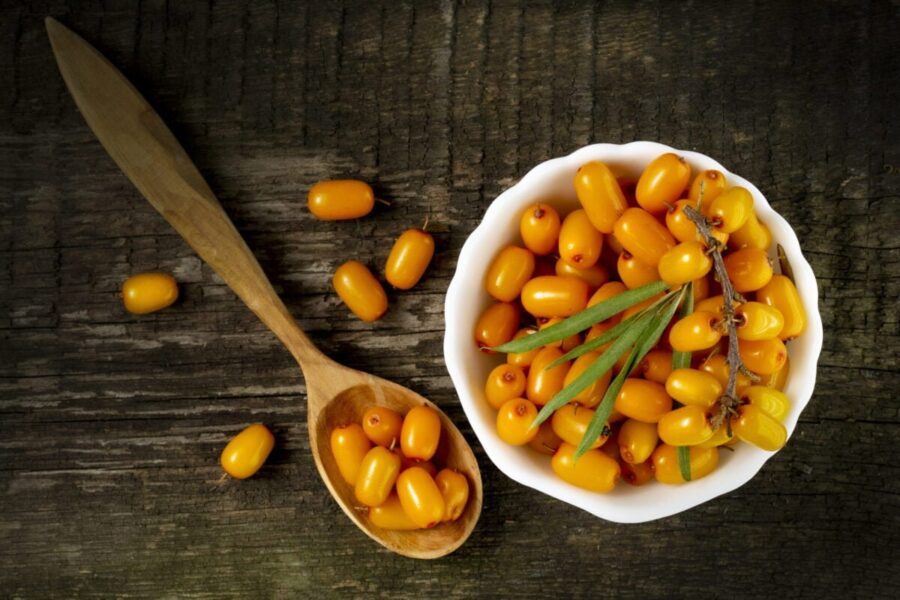
For example, sea buckthorn, a nutrient-dense berry known for its high vitamin C, proanthocyanidins, carotenoids, and healthy fats, exemplifies food synergy. Preliminary research shows that the antioxidants in sea buckthorn may support mitochondrial health, enhance energy production, and protect against oxidative damage. A 2022 preclinical study found that sea buckthorn proanthocyanidins improved mitochondrial membrane potential, increased energy metabolism, and activated protective pathways such as AMPK-PGC1α-Nrf2 signaling (Zhou et al., 2022).
I’ve found sea buckthorn incredibly versatile—whether it’s blended into a smoothie or paired with fermented veggies, I feel like my energy levels are more stable when it’s in regular rotation.
Beyond Basic Pairings: New Frontiers in Dietary Synergy
Emerging research in nutritional biochemistry points to advanced synergies that go beyond traditional pairings. For instance:
Proanthocyanidins + Mitochondrial Activators: Sea buckthorn’s proanthocyanidins, when consumed with compounds that stimulate mitochondrial biogenesis (like PQQ or CoQ10 from food sources such as parsley or oily fish), may help support energy output at the cellular level. This combination is under investigation for its potential benefits in endurance, recovery, and cognitive performance.
Adaptogens + Polyphenol-Rich Foods: Combining adaptogenic herbs like ashwagandha or rhodiola with polyphenol-rich sea buckthorn or matcha may support stress resilience and hormonal regulation by modulating cortisol levels (Panossian & Wikman, 2010).
Nitrate-Rich Vegetables + Antioxidants: Foods like beetroot or arugula, when consumed with antioxidants from berries or citrus, may improve nitric oxide bioavailability—a factor that supports vascular and mitochondrial function (Lundberg et al., 2011).
Fermented Foods + Anti-Inflammatory Lipids: Incorporating probiotic foods (like kefir or kimchi) with sea buckthorn oil or fatty fish may help reinforce gut-brain axis communication and reduce systemic inflammation (Arora et al., 2021).

Biohacking the Brain
Cognitive performance is a key area of interest in biohacking. Nutrients like omega-3 fatty acids, flavonoids, and antioxidants have been shown to support brain health and reduce oxidative stress (Gómez-Pinilla, 2008). Sea buckthorn’s omega profile (including omega-7) and antioxidant content may contribute to neuroprotection. Pairing it with walnuts (ALA-rich) and blueberries (anthocyanin-rich) can create a brain-supportive synergy.
Gut Health as the Foundation
A healthy gut microbiome regulates everything from digestion to mood and immune function. The biohacking diet emphasizes fermented foods, fibres, and anti-inflammatory compounds. Sea buckthorn may help support gut integrity via its polyphenols and mucilage content, while also providing prebiotic benefits. An animal study found that sea buckthorn pomace supplementation increased mitochondrial biogenesis and improved insulin sensitivity, linking gut health with systemic metabolic function (Xie et al., 2019).
Hormone Balance and Metabolism
Hormones act as the body’s messengers, and their balance is essential for everything from energy to mood to reproductive health. Certain nutrients are known to support hormonal function. For example:
Magnesium + B6: May support adrenal and nervous system function and reduce PMS symptoms.
Zinc + Vitamin A: Found in meat, eggs, and sea buckthorn, may assist in supporting thyroid and reproductive hormones.
Proanthocyanidins + Antioxidants: Associated with reductions in systemic inflammation, a factor in many hormonal imbalances (Basu et al., 2010).
Optimizing mitochondrial health through synergistic nutrition may improve adrenal resilience and metabolic function—two key areas for hormone-related biohacks.
Practical Biohacking Diet Tips
Start with Whole Foods: Focus on high-quality, minimally processed ingredients.
Layer Synergistic Nutrients: Combine foods to enhance nutrient absorption.
Time Your Nutrition: Intermittent fasting or front-loading protein in the morning may benefit metabolism.
Test and Track: Use food journals or apps to monitor energy, mood, and digestion.
Support the Mitochondria: Include foods like sea buckthorn, raw spirulina, greens, nuts, and fatty fish.
Conclusion
Biohacking your diet isn’t about restriction or perfection—it’s about making smart, science-backed choices that support your unique biology. By leaning into food synergy and optimizing nutrient intake, you can enhance brain function, fortify gut health, and promote hormonal balance. Functional foods like sea buckthorn, when combined wisely with other nutrient-dense ingredients, offer a promising path toward sustainable wellbeing.
Important consideration: The information provided in this article is for educational purposes only and is not intended as medical advice. Always consult a qualified healthcare provider before making significant changes to your diet or lifestyle.
References
Basu, A., & Rhone, M., & Lyons, T.J. (2010). Berries: Emerging impact on cardiovascular health. Nutrition Reviews.
Gómez-Pinilla, F. (2008). Brain foods: The effects of nutrients on brain function. Nature Reviews Neuroscience.
Jacobs, D.R., & Tapsell, L.C. (2009). Food synergy: The key to a healthy diet. American Journal of Clinical Nutrition.
Kelly, M. (2020). The Biohacker’s Guide to Nutrition. Biohackers Lab.
Lundberg, J.O., et al. (2011). Role of nitrate in nitric oxide homeostasis: A unifying hypothesis. Nature Reviews Drug Discovery.
Panossian, A., & Wikman, G. (2010). Effects of adaptogens on the central nervous system and the molecular mechanisms associated with their stress—protective activity. Pharmaceuticals.
Xie, L., et al. (2019). Sea buckthorn pomace induces beige adipocyte formation and improves insulin sensitivity. MDPI Animals.
Zhou, M., et al. (2022). Sea Buckthorn Proanthocyanidins are the Protective Agent of Mitochondrial Function in Macrophages Under Oxidative Stress. ResearchGate.