
When cold and flu season hits, most people start asking the same questions: How do I increase immunity? What foods actually help? Are immunity shots worth it?
The internet is flooded with bold claims and quick fixes, but immune health doesn’t work that way. A strong immune system is built through consistent nourishment, not emergency measures taken at the first sign of a sniffle.
Sea buckthorn has emerged as one of the most interesting immunity boosting foods precisely because it supports immune function through nutrient density and balance, not exaggeration.
This article breaks down how immunity really works, which foods genuinely support it, and how a simple sea buckthorn immunity shot can fit into a practical daily routine.

How to Increase Immunity — What the Immune System Actually Needs
Before talking about foods or immunity shots, it helps to understand what “increasing immunity” really means.
A healthy immune system relies on:
Adequate micronutrients (especially antioxidants)
Balanced inflammation
Healthy gut and mucosal barriers
Efficient recovery after immune activation
Trying to “boost” immunity aggressively can backfire. What works better is supporting immune resilience — helping the body respond appropriately and recover efficiently.
That’s where food comes in.

Immunity Boosting Foods vs. Supplements
Immunity boosting foods work differently from isolated supplements.
Whole foods:
Deliver nutrients in biologically compatible forms
Contain co-factors that improve absorption
Support multiple immune pathways at once
This is why foods like citrus, ginger, garlic, berries — and sea buckthorn — consistently show up in traditional and modern immune-support diets.
The Most Recognised Immunity Boosting Foods
When people search for immunity boosting foods, they’re usually looking for ingredients that are nutrient-dense, well-studied, and practical to use daily. While no single food can “prevent” illness, these are among the most consistently recognised foods that support immune function when eaten regularly.
• Sea Buckthorn
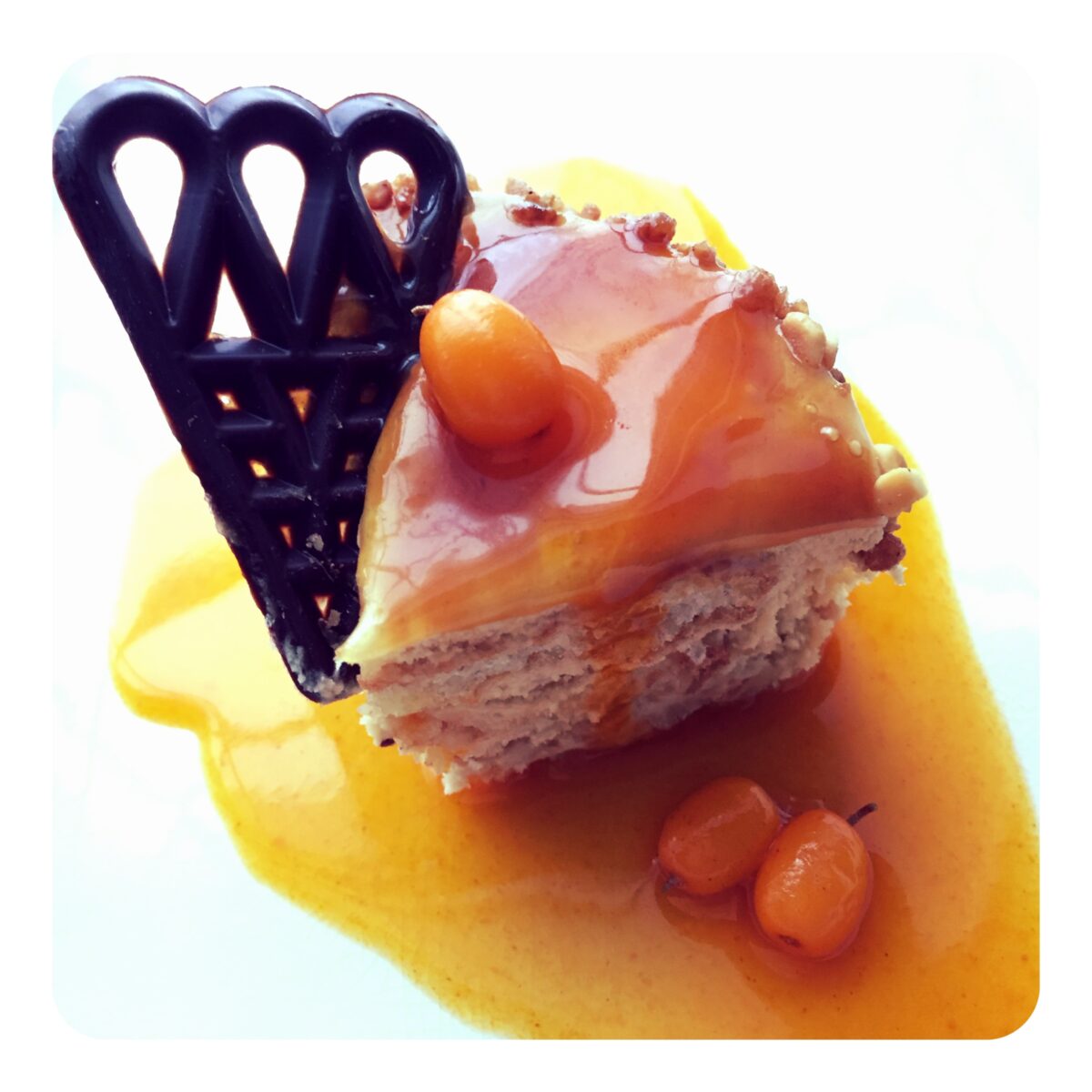
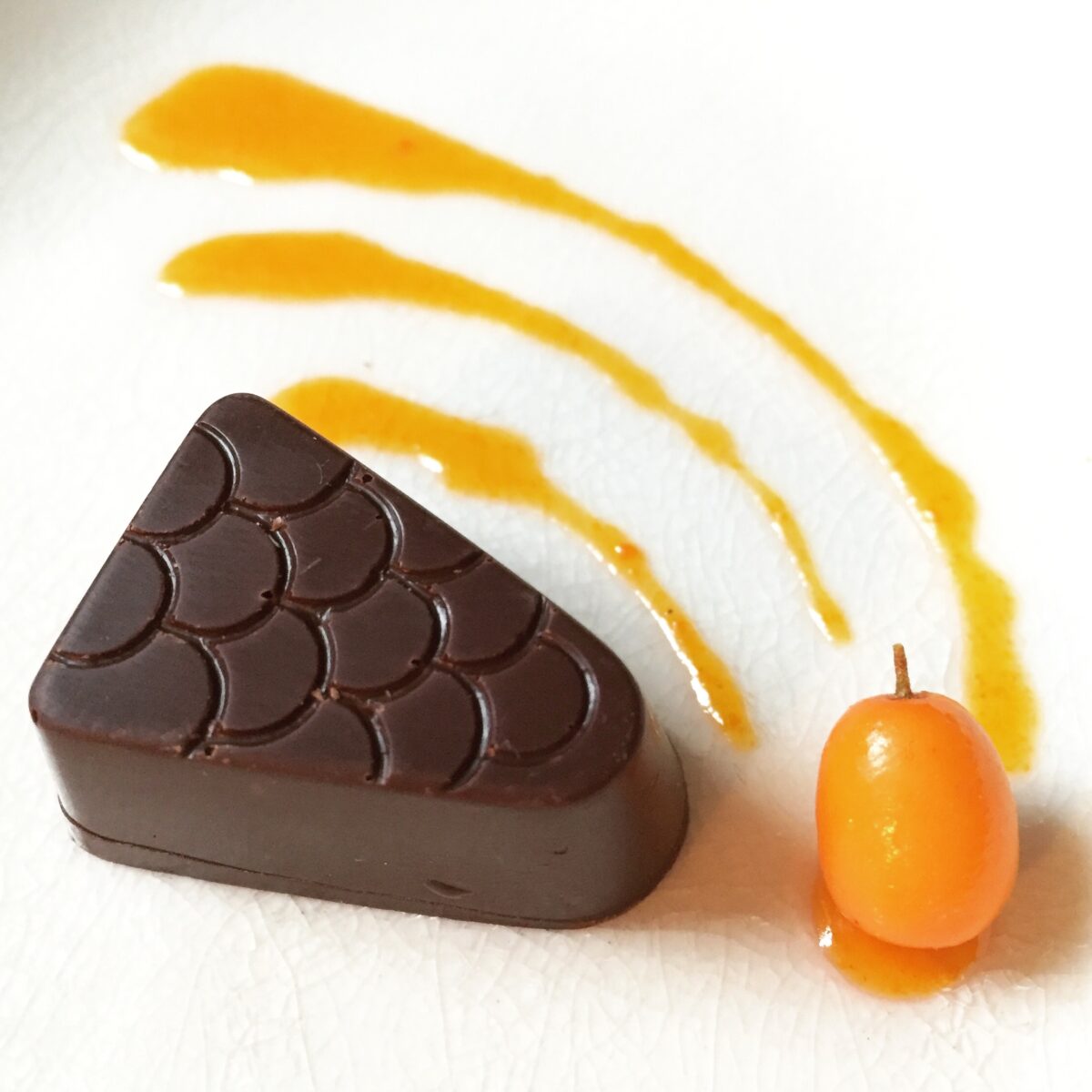
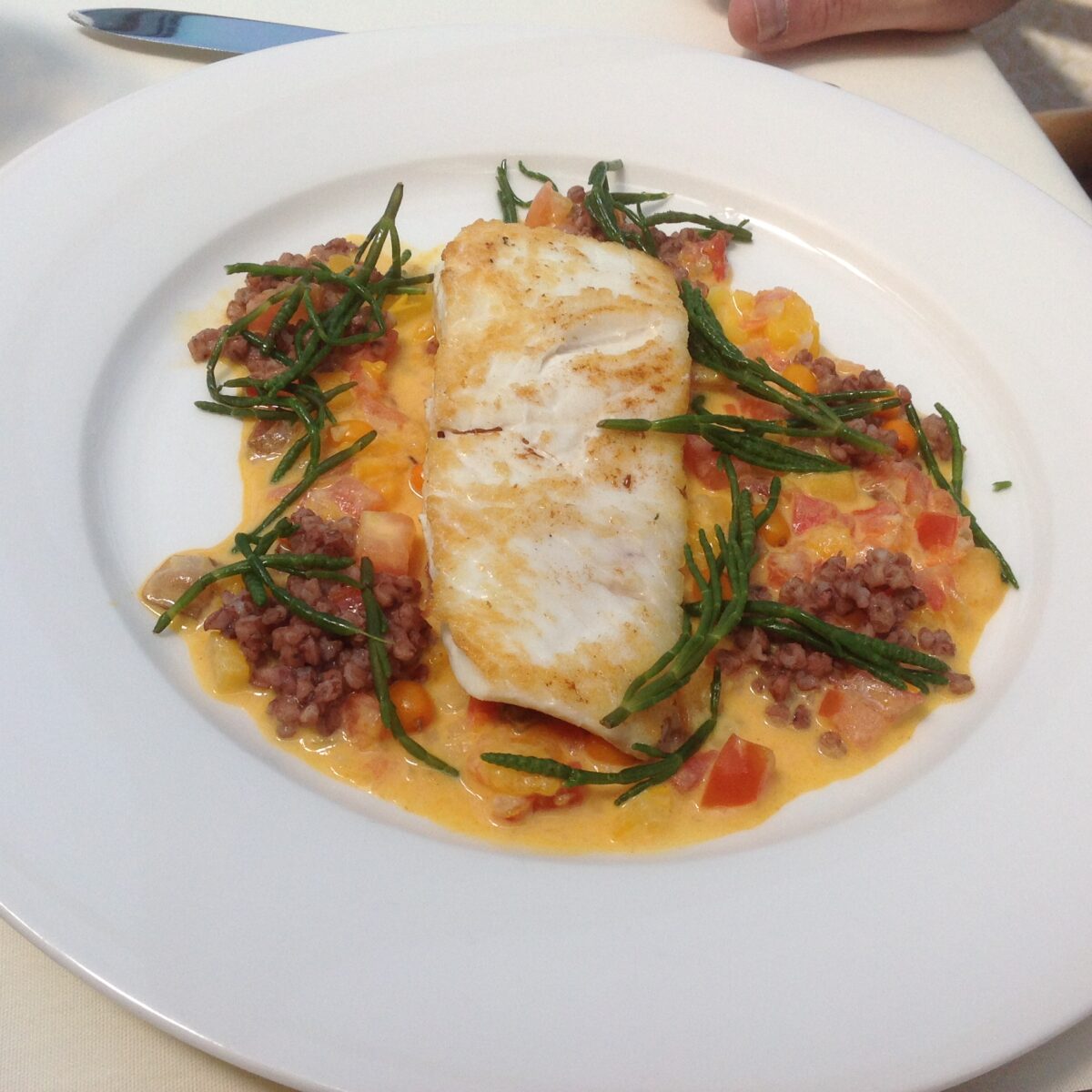
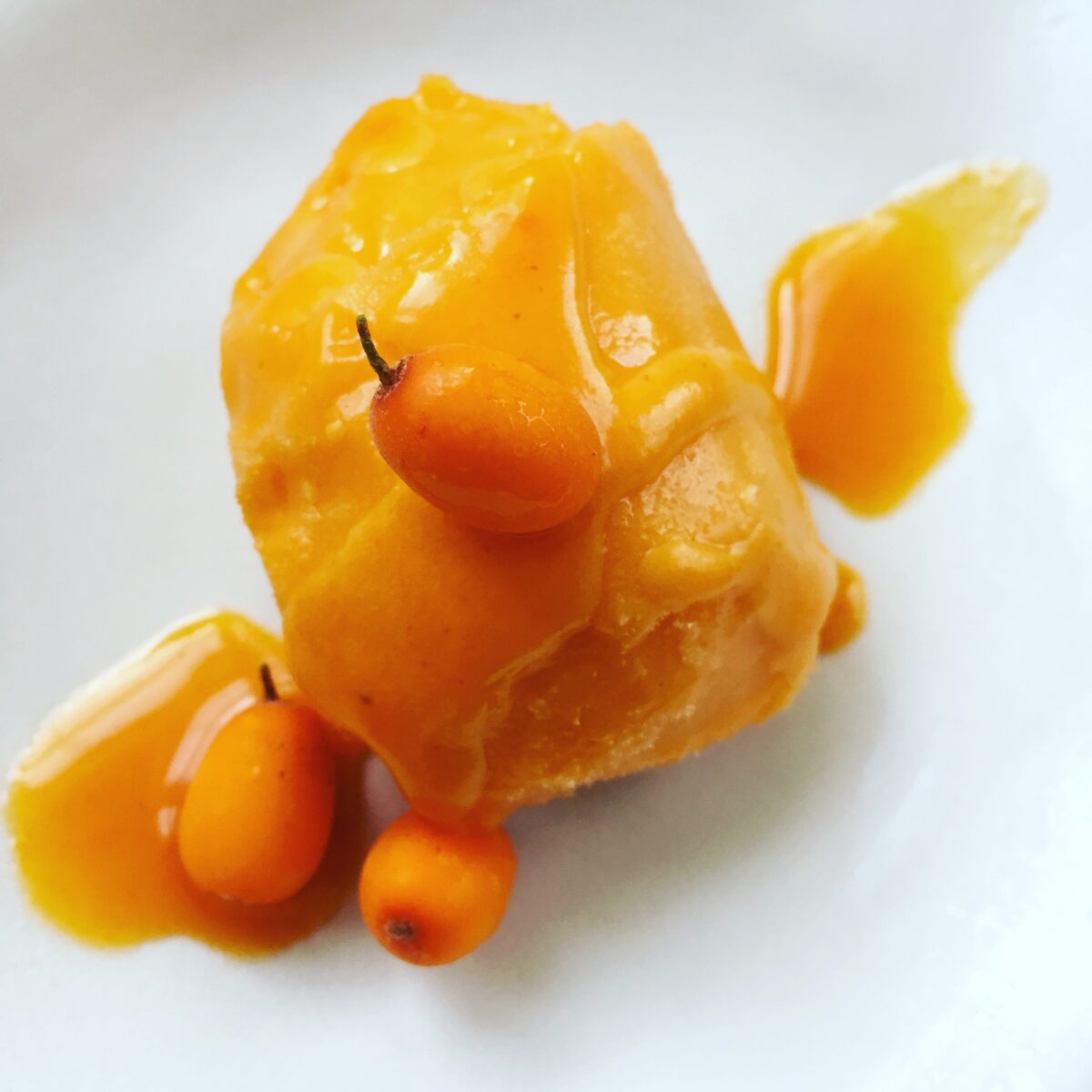
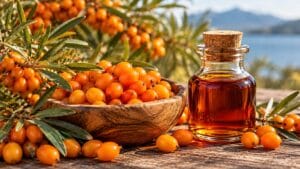
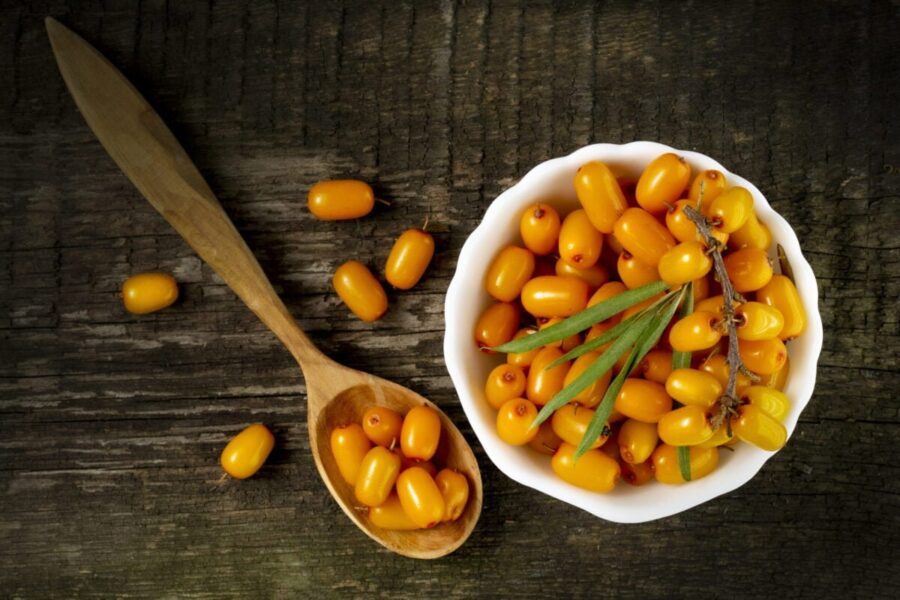
Sea buckthorn earns its place on this list because it delivers multiple immune-supporting nutrients at once — vitamin C, polyphenols, carotenoids, and omega fatty acids — rather than relying on a single compound. This makes it particularly useful during winter, when immune systems are under prolonged stress.
• Citrus Fruits (Orange, Lemon, Grapefruit)
Known for vitamin C and flavonoids, citrus fruits help support normal immune cell function and antioxidant defence. They’re effective, familiar, and easy to incorporate.
• Ginger
Ginger supports circulation, digestion, and inflammatory balance — all of which influence immune resilience. It’s commonly used in immunity shots and warm beverages during cold and flu season.
• Garlic
Garlic contains sulfur compounds that support immune signalling and antimicrobial defence. It’s most effective when consumed regularly rather than sporadically.
• Berries (Blueberries, Elderberries, Haskap)
Berries are rich in polyphenols that protect immune cells from oxidative stress and support inflammatory balance.
• Honey (Especially Raw or Unpasteurised)
Honey has soothing and antimicrobial properties and is often used to support throat comfort and recovery during illness.
• Fermented Foods (Yogurt, Kefir, Sauerkraut)
Because a large portion of immune activity is linked to the gut, fermented foods help support immune function indirectly by maintaining gut barrier integrity and microbial balance.
Why Sea Buckthorn Is Considered an Immunity Boosting Food
Sea buckthorn stands out among immunity boosting foods because it combines several immune-supporting compounds in a single ingredient.
Vitamin C for Immune Function
Vitamin C supports:
White blood cell production
Antioxidant defence during immune responses
Normal inflammatory signalling
Sea buckthorn contains naturally occurring vitamin C paired with polyphenols, which helps stabilise and support its activity in the body.
Polyphenols and Antioxidants
During infection or stress, immune activity increases oxidative load. Sea buckthorn’s polyphenols help:
Protect immune cells from oxidative damage
Support balanced inflammatory responses
Maintain cellular resilience during illness
Carotenoids and Barrier Protection
Carotenoids support:
Cellular immunity
Skin and mucosal integrity
Healthy mucosal barriers in the gut and respiratory tract form the body’s first line of defence — a key but often overlooked aspect of immunity.
Omega Fatty Acids and Immune Balance
Sea buckthorn contains omega-3, 6, 7, and 9 fatty acids.
These support immunity by:
Helping regulate inflammatory responses
Supporting cell membrane health
Nourishing mucous membranes
Omega-7, in particular, is associated with mucosal health, which is essential for immune protection.
The Gut–Immunity Connection
Roughly 70% of immune activity is linked to the gut.
A healthy gut:
Acts as a physical barrier
Communicates directly with immune cells
Helps regulate inflammatory responses
Sea buckthorn supports this system indirectly through antioxidants, fatty acids, and whole-food compounds that help maintain gut integrity — an essential component when looking at how to increase immunity long term.
Are Immunity Shots Actually Helpful?
Immunity shots aren’t a cure — but they can be useful.
A well-designed immunity shot:
Delivers concentrated nutrients
Is taken consistently, not reactively
Uses whole foods rather than isolated stimulants
The key is balance. Overly harsh, sugar-heavy, or stimulant-based shots can irritate digestion or spike inflammation. A good immunity shot should be supportive, not aggressive.

Sea Buckthorn Immunity Shot Recipe
A Balanced, Food-Based Daily Shot
This recipe pairs sea buckthorn with other immunity boosting foods while keeping flavour and digestion in mind.
Why These Ingredients Work
Sea buckthorn: vitamin C, polyphenols, carotenoids, omega fatty acids
Ginger: supports circulation, digestion, and immune signalling
Orange or mandarin juice: balances acidity and adds flavonoids
Raw honey (optional): soothing, antimicrobial properties, flavour balance
Ginger & Sea Buckthorn Immunity Shot
Makes 4 small shots
Ingredients
½ cup sea buckthorn juice or strained purée
1–2 tbsp freshly grated ginger (to taste)
¼ cup fresh orange or mandarin juice
1–2 tsp raw honey (optional)
Instructions
Blend all ingredients until smooth.
Strain if desired for a smoother texture.
Store in a sealed glass jar in the fridge for up to 3 days.
Shake well before serving.
How to use:
Take 1 small shot daily as part of a routine — not as a last-minute rescue.
When to Use Immunity Shots — and When Not To
Immunity shots work best when:
Used consistently during winter months
Paired with adequate sleep and nutrition
Seen as support, not protection
They are not meant to:
Replace meals
Prevent illness entirely
Override exhaustion or chronic stress
Who May Benefit Most From Immunity Boosting Foods Like Sea Buckthorn
Sea buckthorn and similar foods may be especially useful for:
People under chronic stress
Those prone to winter fatigue
Individuals with low fruit and vegetable intake
People who don’t tolerate synthetic vitamin C well

What Immunity Boosting Foods Can — and Cannot — Do
Immunity boosting foods can:
Support immune resilience
Reduce nutrient deficiencies
Help the body recover more efficiently
They cannot:
Guarantee you won’t get sick
Replace sleep, hydration, or medical care
Act as a cure for viral infections
A strong immune system is built through daily habits — not emergency fixes.
Final Thoughts: How to Increase Immunity the Smart Way
If you’re wondering how to increase immunity, the answer isn’t extreme protocols or miracle one-dose shots.
It’s:
Consistent nutrition
Whole, nutrient-dense foods
Balanced immune support
Sea buckthorn fits into this approach as a powerful, food-based ally — especially during winter, when immune systems are under the most pressure.
Immunity isn’t boosted overnight. It’s supported, day by day.