
Stem cells play a critical role in the body’s ability to maintain, repair, and regenerate tissues throughout life. These specialized cells help replace damaged or aging cells and support the normal function of organs, blood vessels, skin, and other tissues. As scientists continue to explore the factors that influence stem cell activity, increasing attention is being given to the potential role of nutrition.
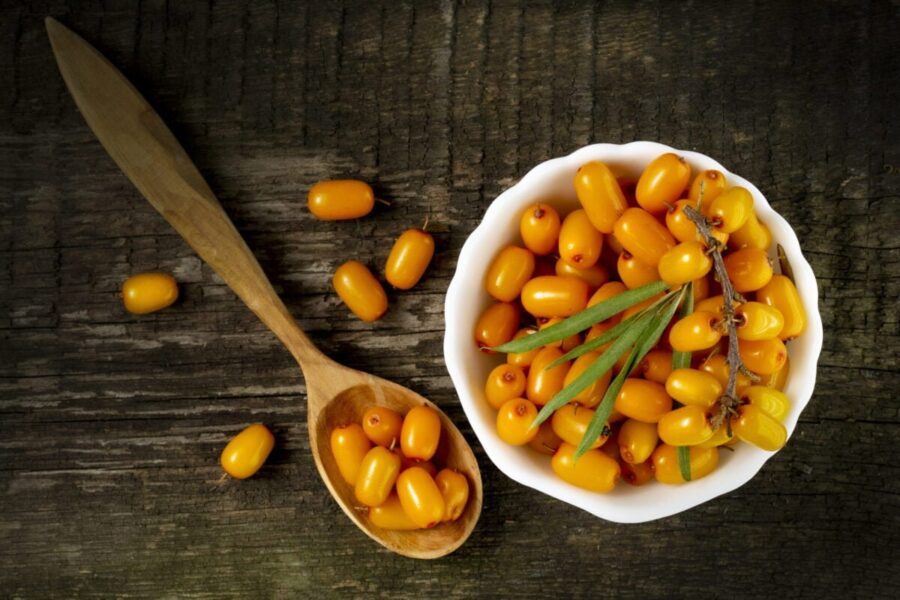
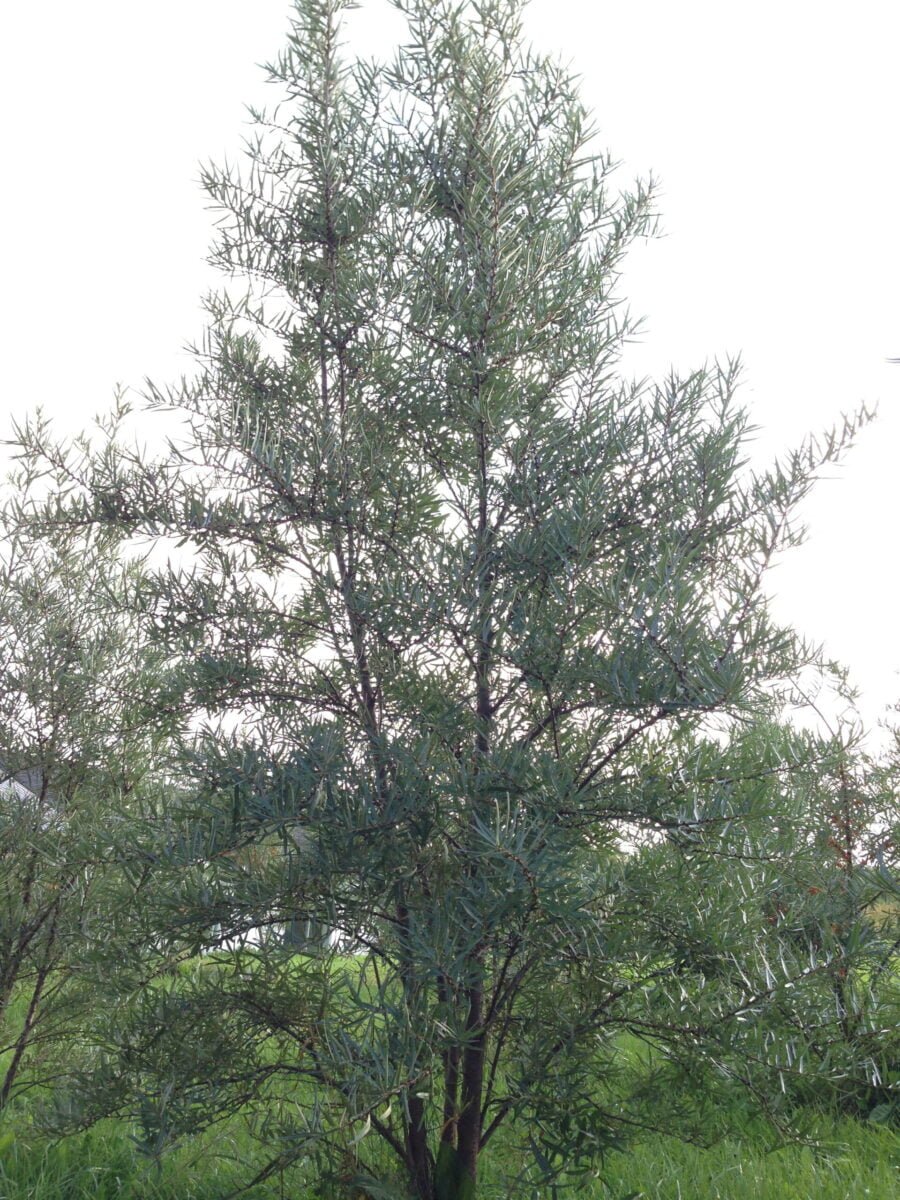
Among the many nutrient-dense plants being studied, sea buckthorn (Hippophae rhamnoides) has attracted scientific interest due to its unique combination of vitamins, antioxidants, fatty acids, and polyphenols. Researchers have long investigated sea buckthorn for its effects on oxidative stress, inflammation, and cellular health.
More recently, studies have explored whether certain compounds found in sea buckthorn may influence the body’s natural stem and progenitor cells. Although this research is still in its early stages, the findings have generated interest in the potential relationship between sea buckthorn, stem cell mobilization, and the body’s natural repair mechanisms.
What Is Cellular Health?
Every organ, tissue, and system in the human body depends on healthy cells.
Cells constantly perform essential functions such as:
- Producing energy
- Repairing damaged tissues
- Defending against pathogens
- Communicating with neighboring cells
- Removing waste products
Over time, factors such as aging, environmental toxins, chronic stress, poor diet, and inflammation can impair cellular function. Researchers often refer to this process as cellular aging or cellular dysfunction.
Supporting cellular health involves maintaining the structures and processes that allow cells to function efficiently throughout life.
Oxidative Stress: A Major Threat to Healthy Cells
One of the most studied contributors to cellular damage is oxidative stress.
During normal metabolism, cells produce unstable molecules known as free radicals. In controlled amounts, these molecules play important roles in cell signaling and immune function. However, excessive free radical production can damage proteins, cell membranes, and DNA.
Antioxidants help neutralize free radicals before significant damage occurs.
Sea buckthorn is particularly rich in antioxidants, including:
- Vitamin C
- Vitamin E
- Carotenoids
- Flavonoids
- Polyphenols
Several studies have demonstrated that sea buckthorn extracts exhibit strong antioxidant activity, helping protect cells against oxidative damage.

Sea Buckthorn and Inflammation
Inflammation is a normal part of the body’s healing response. However, chronic low-grade inflammation has been linked to numerous health conditions and accelerated cellular aging.
Research suggests that various compounds found in sea buckthorn may help modulate inflammatory pathways.
Sea buckthorn berries contain:
- Flavonoids
- Proanthocyanidins
- Phenolic acids
- Omega fatty acids
These compounds have been investigated for their potential role in supporting healthy inflammatory responses and protecting tissues from oxidative stress-related damage.
Although more human studies are needed, current evidence suggests that sea buckthorn’s antioxidant and anti-inflammatory properties may contribute to overall cellular resilience.
Protecting Cell Membranes
Every cell in the human body is surrounded by a membrane that regulates the movement of nutrients, waste products, and signaling molecules.
Healthy cell membranes are essential for:
- Nutrient absorption
- Cell communication
- Immune function
- Energy production
Sea buckthorn is unique among fruits because it contains significant amounts of beneficial fatty acids.
Its pulp and seed oils contain:
- Omega-3 fatty acids
- Omega-6 fatty acids
- Omega-7 fatty acids
- Omega-9 fatty acids
Of particular interest is palmitoleic acid (omega-7), a relatively uncommon fatty acid that is naturally present in sea buckthorn pulp oil.
Researchers continue to investigate how these lipids may support skin, mucosal tissues, and cellular membrane integrity.
Sea Buckthorn and Mitochondrial Health
Mitochondria are often described as the powerhouses of the cell because they generate the energy required for virtually all biological processes.
Mitochondrial dysfunction has been associated with aging and a variety of chronic diseases.
Scientists have proposed that the antioxidant compounds found in sea buckthorn may help protect mitochondria from oxidative damage, allowing cells to maintain more efficient energy production.
While this area of research remains active, maintaining healthy mitochondrial function is increasingly recognized as an important component of long-term cellular health.
Understanding Stem Cells and Progenitor Cells
Stem cells are specialized cells capable of developing into various cell types and helping repair damaged tissues.
The body maintains several populations of adult stem cells that contribute to:
- Tissue maintenance
- Regeneration
- Healing
- Blood vessel formation
Closely related cells known as progenitor cells also participate in tissue repair and regeneration.
Researchers are increasingly interested in identifying nutritional compounds that may influence the activity or mobilization of these cells.

What Does the Research Say About Sea Buckthorn and Stem Cells?
One of the most intriguing areas of sea buckthorn research involves its potential effect on stem and progenitor cells, which play important roles in tissue maintenance, repair, and regeneration.
In a randomized, double-blind, placebo-controlled crossover study published in 2019, researchers examined the effects of a polyphenol-rich sea buckthorn extract on healthy adults. Within hours of consuming the extract, participants experienced temporary increases in several populations of circulating stem and progenitor cells, including endothelial progenitor cells, mesenchymal stem cells, and other cell populations involved in tissue repair and regeneration. These findings suggest that certain bioactive compounds in sea buckthorn may help mobilize the body’s natural repair mechanisms.
More recently, a 2025 study published in Stem Cell Research & Therapy investigated extracellular vesicles isolated from sea buckthorn fruit and their effects on bone marrow mesenchymal stem cells (BMSCs), a type of adult stem cell involved in bone formation and regeneration. The researchers found that these naturally occurring vesicles were readily absorbed by stem cells and stimulated the expression of key osteogenic markers, including Runx2 and osteocalcin, which are essential for new bone development. In a mouse bone defect model, sea buckthorn-derived extracellular vesicles significantly accelerated bone healing and regeneration. The researchers attributed these effects, in part, to a microRNA called aau-miR168, which appeared to regulate genes involved in stem cell differentiation and bone growth.
Although the 2019 human study and the 2025 laboratory and animal study investigated different mechanisms, both provide evidence that bioactive compounds found in sea buckthorn may influence stem cell activity. While these findings are promising, further research is needed to determine whether these effects translate into meaningful long-term health benefits in humans consuming sea buckthorn berries, juice, or other sea buckthorn products.
What Can We Say With Confidence?
Current evidence supports several well-established conclusions about sea buckthorn:
- It is rich in antioxidants.
- It contains a diverse range of bioactive compounds.
- It provides unique fatty acids, including omega-7.
- It may help protect cells from oxidative stress.
- It may support healthy inflammatory responses.
Emerging research also suggests that sea buckthorn polyphenols may influence circulating stem and progenitor cells, although this field remains in its early stages.
Putting the Research Into Perspective
Cellular health depends on many factors, including nutrition, physical activity, sleep, stress management, and environmental exposures.
Sea buckthorn is not a substitute for an overall healthy lifestyle. However, its remarkable nutritional profile and growing body of scientific research make it one of the most interesting functional foods being studied today.
From antioxidant protection and cellular resilience to emerging stem cell research, sea buckthorn continues to provide researchers with new insights into how nutrition may support the body’s natural ability to maintain and repair itself.